

We offer a range of organic geochemical measurements, experiments and interpretations spanning environmental change and environmental pollution as well as hydrocarbon geochemistry. We specialise in organic geochemical measurements at the bulk and molecular level in complex matrices such as soils, sediments (lake; estuarine-coastal; open marine), effluent sludges, biota and waters as well as drilled rock core and chippings.
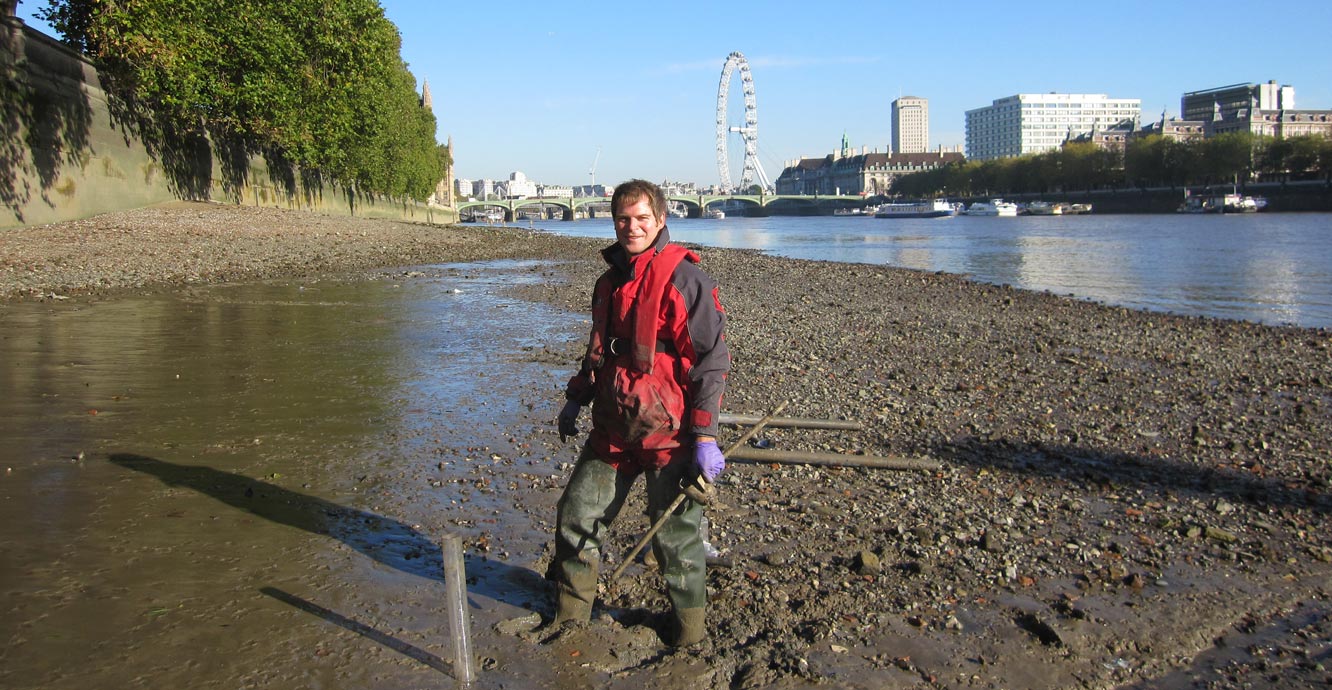

Our organic geochemistry facility specialists track river/estuary/coastal environmental pollution. BGS © UKRI.
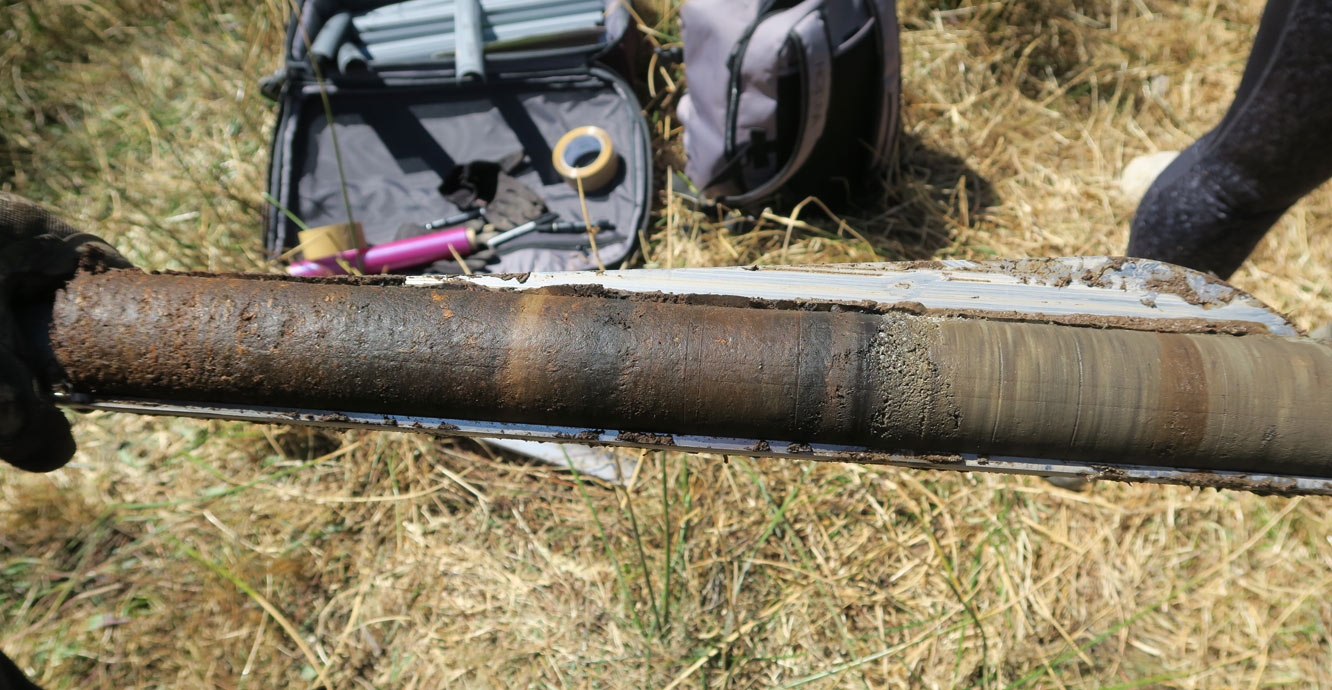
Researching environmental changes from sediment records. BGS © UKRI.
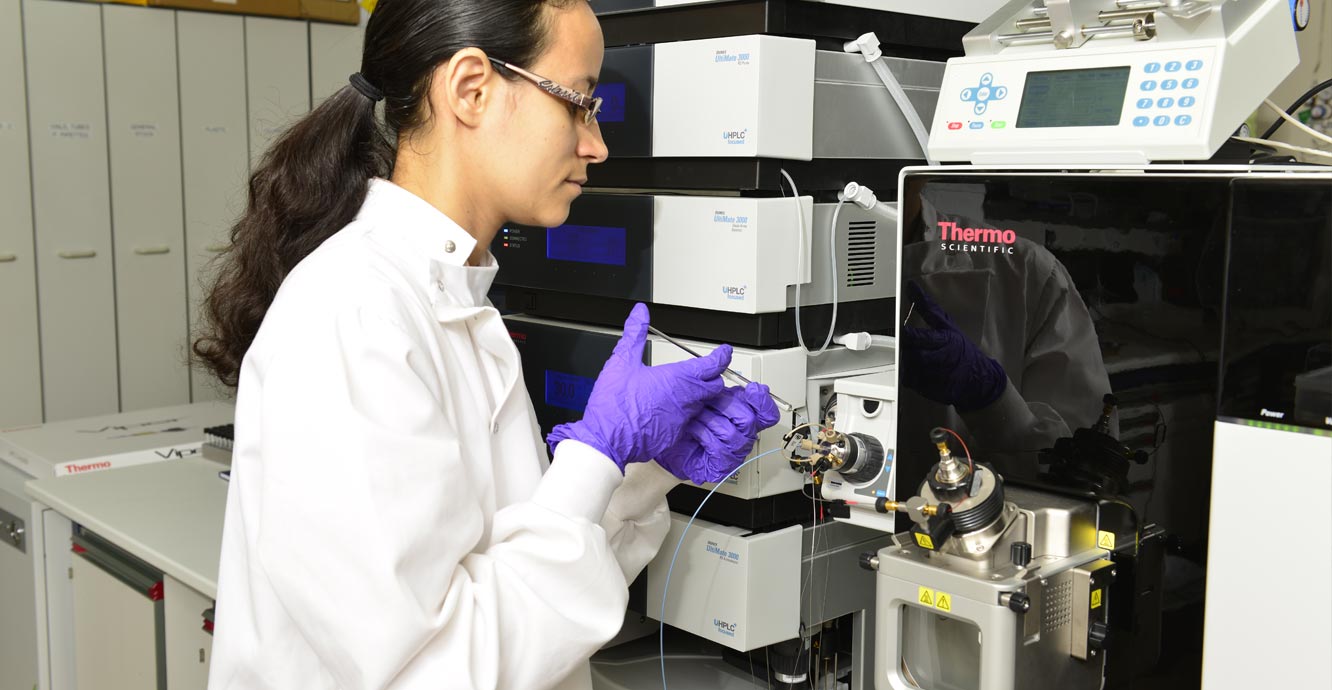
Liquid chromatography mass spectrometry for the measurment of pesticides, pharmaceuticals and natural organic compounds. BGS © UKRI.
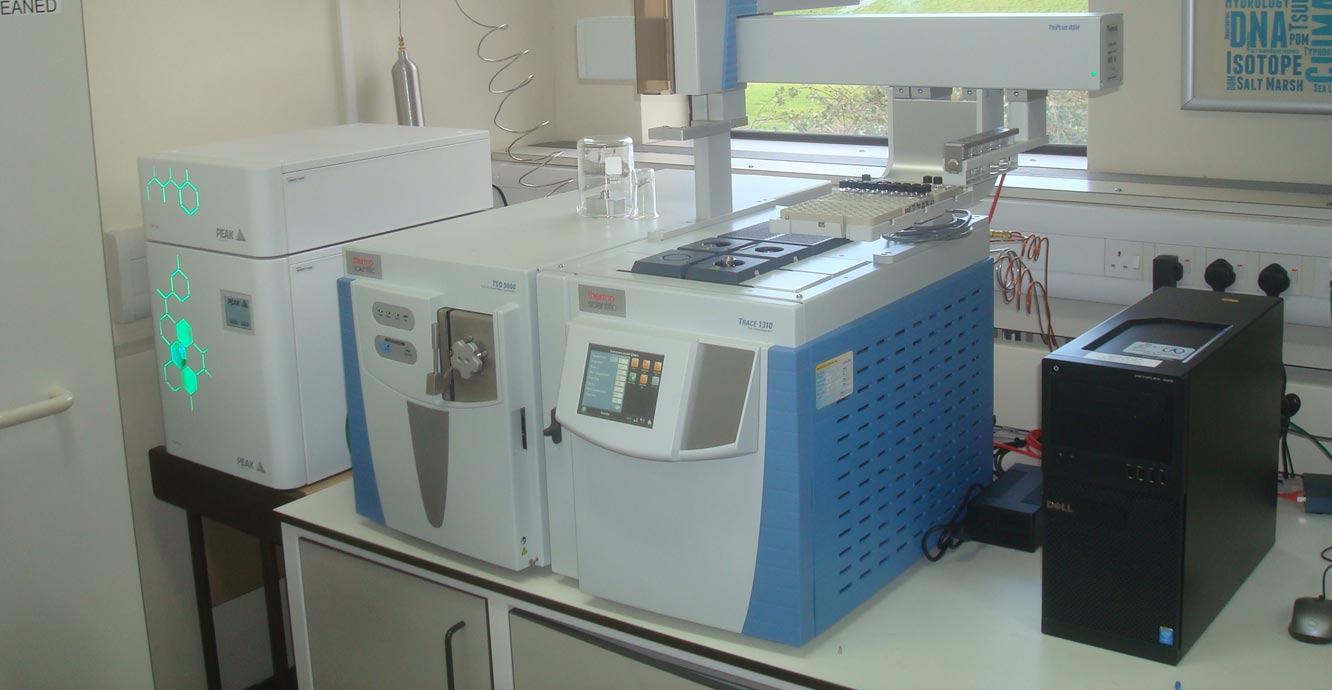
Gas chromatography mass spectrometry for the analysis of legacy and emerging contaminants as well as natural chemical biomarkers found in soils sediments and rock. BGS © UKRI.
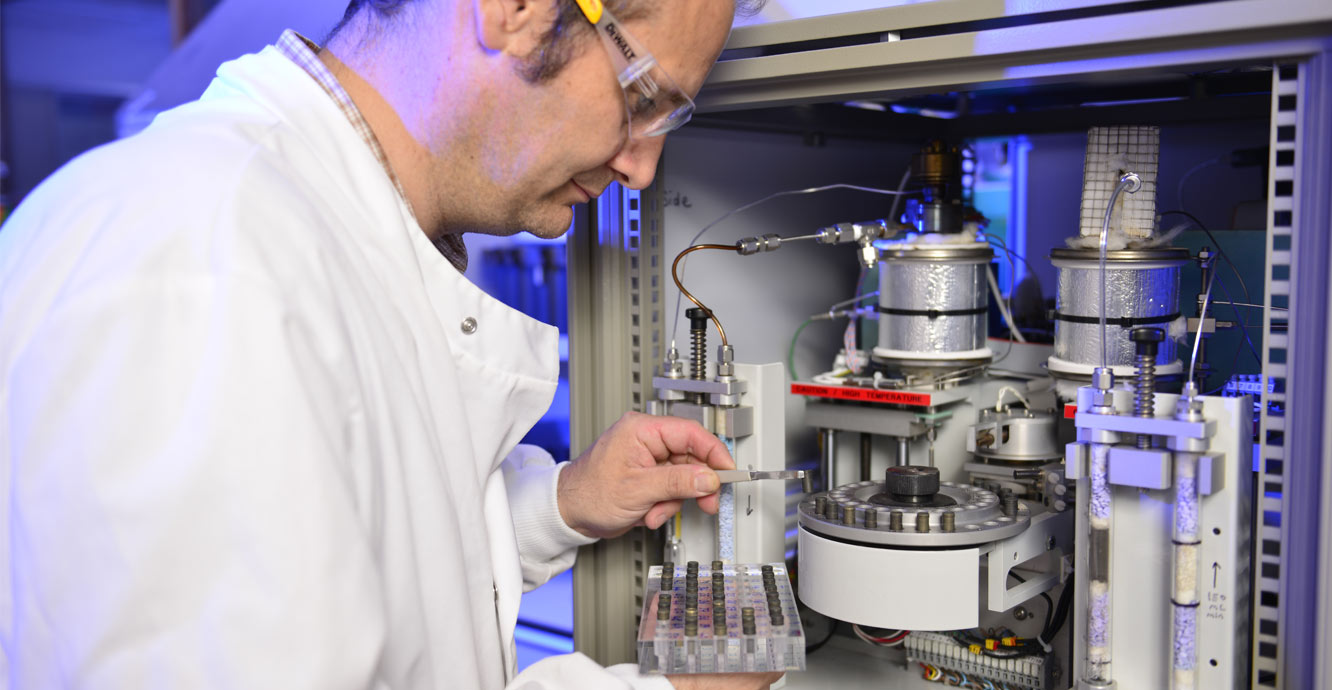
Rock-Eval(6) for assesment of organic matter source and quality. BGS © UKRI.
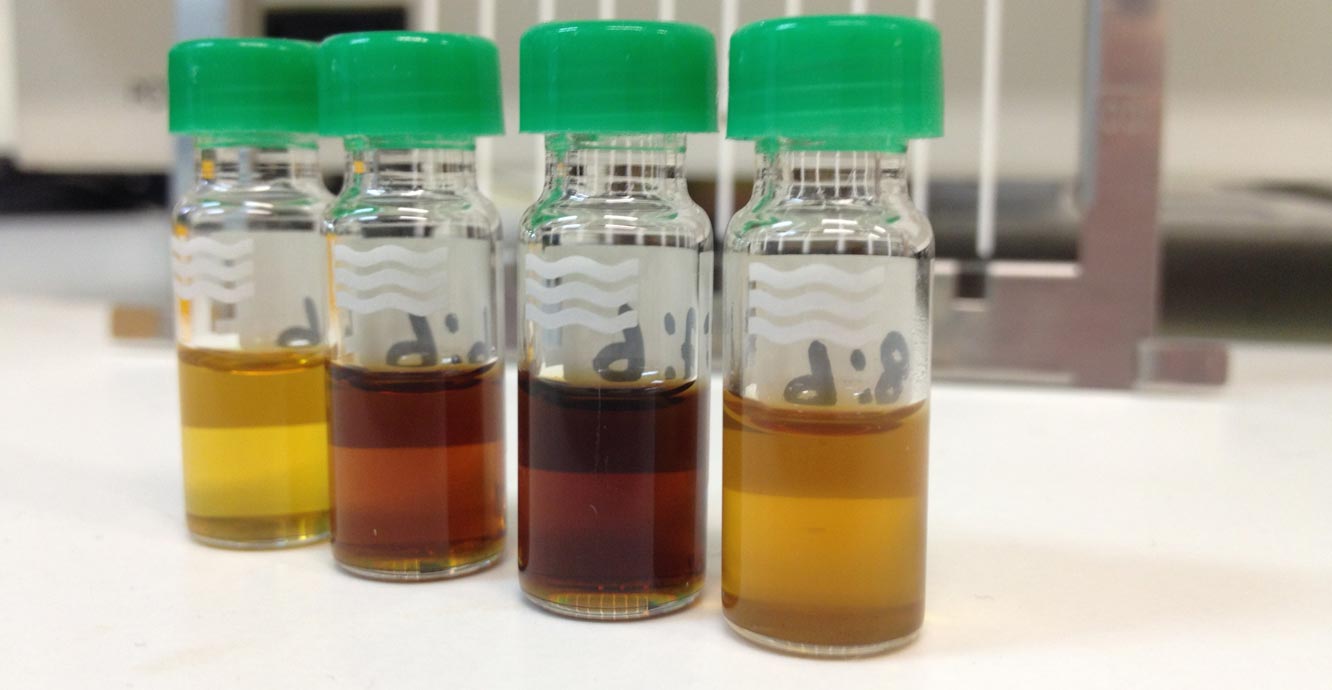
Solvent extracts from Clyde sediments with different hydrocarbon concentrations. BGS © UKRI.
Our work
Some of our current work.
- Legacy, emerging and sewage contamination in sediments, Thames estuary, UK
- Pharmaceuticals, pesticides and toxicity, Nairobi river, Kenya
- Sediment and soil pollution of Red river and urban canals of Hanoi, Vietnam
- PAH, PCB and black carbon in surface soils central London, UK
- Dermal bioaccessibility of PAH for the re-development of brownfield sites
- Tracking organic carbon by molecular markers in the Conwy estuary, Wales, UK
- Chemical characterisation of fossil woods (lignites) from the Miocene
- Carbon storage and organic matter stability in freshwater wetland peats (Mexico; Panama)
- Rock-Eval(6) hydrocarbon geochemistry of Carboniferous shales, UK
- Understanding the transfer of hydrocarbon bearing parent rock to soils
- Rock-Eval(6) pyrolysis — bulk rock method — for oil and gas exploration, provision of 16 standard acquisition and calculated parameters used to evaluate source rocks and hydrocarbon potential. Measurement of:
- TOC (per cent)
- S1
- S2
- S3
- hydrogen index
- oxygen index
- production index
- Tmax
- TpS2
- residual organic carbon (per cent)
- mineral carbon (per cent) of rocks, cuttings, coals and isolated kerogens
- Rock-Eval(6) pyrolysis — organic matter method — to asses organic matter changes in geologically immature environmental materials including soils, estuarine sediments, upland and coastal peats, microplastics, wood/charcoal and other biological/forensic materials (tyres/vegetation/paints). Rock-Eval requires between 10–60 mg material per analysis. For all peat and soil characterisation we offer calculated recalcitrance and lability indices (R and I index) in addition to the other parameters.
- Iatroscan — thin layer chromatography to assess total petroleum hydrocarbons (TPH) to give saturate, aromatic and resion/asphaltene compound class concentrations enabling a rapid assessment of hydrocarbons whether in source rock or oil spill impacted sediment or soil.
- Gas chromatography mass spectrometry (GC-MS) (Thermo Scientific Trace 1300 GC TSQ900 Triple quadrupole system) for the separation and measurement of:
- organic contaminants including polycyclic aromatic hydrocarbons (PAH 32 compounds), polychlorinated biphenyls (PCB), polybrominated diphenyl ethers (PBDE), faecal stanols/sterols and others such as organo chlorinated pesticides (DDT)
- organism or process-specific biomarker compounds (e.g. steranes, triterpanes) using selected ion monitoring (SIM) or MS/MS
- molecular palaeothermometers such as alkenones for the UK37 and UḰ37 sea-surface temperature proxy
- Liquid chromatography mass spectrometry (LC/MS) (Ultrahigh performance HPLC-Thermo TSQ Quantiva MS/MS) for separation and measurement of
- organic contaminants such as pesticides, pharmaceuticals, including antibiotics, and xenoestrogens
- tetraether lipids (GDGT) and associated BIT index (the ratio between brGDGTs mainly produced by soil bacteria and aquatic crenarchaeol) for tracking carbon in the environment
- molecular palaeothermometers such as TEX 86 for the reconstruction of palaeosea-surface temperatures
- Toxicity testing (Microtox Model 500) — we offer both the (aqueous) acute toxicity testing and (soils, sediment, drilling muds, sludges) solid-phase testing using the in-vitro bioluminescent bacteria Allivibrio fischeri. The solid phase test requires 7 g of material and the aqueous test requires 10 ml water. Toxicity evaluation by microtox complements individual compound determinations by GC/MS and LC/MS. Data reported as an EC50 that can be benchmarked against published non-toxic, moderately toxic, acutely toxic assessment criteria.
- Infrared spectroscopy (FTIR), (Bio-Rad FTX3000MX), diffuse reflectance instrument that can be fitted with an autosampler for high-throughput evaluation of functional group chemistry of leaf litter, peats, soils, sediments, mudrock, rock and biological material.
- Total organic carbon (TOC) and black carbon – elementar macro C analyser for the measurement of TOC (per cent), TIC and TC. Our combustion analyser is capable of analysing large samples (0.5 g dry weight) and thus provide solution to TOC evaluations in soils and sediments. We also offer precise and accurate measurement of black carbon (per cent) in soils and sediments using classical wet chemical methods combined with elemental analysis.
- Pyrolysis-gas chromatography-mass spectrometry (CDS 2500 pyroprobe) for the characterisation of structural polymers and macromolecules (polysaccharides, lignin, suberin and tannin) and geomacromolecules (kerogens and coal) present in biological, soils, sediments and rocks.
- Gas chromatograph (Hewlett Packard 6890) fitted with flame ionisation detector (FID), used for the measurement of n-alkanes and fatty acids in soils, sediments and associated biological materials. Evaluation of n-alkane envelop, CPI, Pr+Ph/n-alkanes to indicate maturation, migration, biodegradation.
University collaborations
We collaborate with a variety of UK universities mainly via NERC doctoral training partnership schemes (DTP/CDT). We regularly host PhD students undertaking experimental work or laboratory analyses; a wide range of techniques and procedures are available. The students have access to the range of laboratory and applied scientific expertise of the organic geochemistry team and the wider BGS. Recent visitors include students from universities of Nottingham, Warwick, Reading, Birmingham, Newcastle, Durham, Cambridge, Hanoi and Nairobi.
Selected publications and reports
Kim, A W, Vane, C H, Moss-Hayes, V, Berriro, D B, Fordyce, F, Everrett, P, and Nathanail, P C. 2018. Polycyclic aromatic hydrocarbons (PAH) and polychlorinated biphenyls (PCB) in urban soils of Glasgow, UK. Earth and Environmental Science Transactions of the Royal Society of Edinburgh, Vol. 108(2–3), 231–248. DOI: https://doi.org/10.1017/S1755691018000324
Vane, C H, Kim, A W, Moss-Hayes, V, Turner, G, Mills, K, Chenery, S R, Barlow, T S, Kemp, A C, Engelhart, S E, Hill, T D, Horton, B P, and Brain, M. 2020. Organic pollutants, heavy metals and toxicity in sediment cores from an oil spill impacted salt marsh, Staten Island, New York, USA. Marine Pollution Bulletin, Vol. 151, 110721. DOI: http://dx.doi.org/10.1016/j.marpolbul.2019.110721
Vane, C H, Lopes dos Santos, R A, Kim, A W, Moss-Hayes, V M, Fordyce, F M, and Bearcock, J M. 2019. Persistent organic pollutants (PAH, PCB, TPH) in freshwater, urban tributary and estuarine surface sediments of the River Clyde, UK. Earth and Environmental Science Transactions of the Royal Society of Edinburgh, Vol. 108(2–3), 299–314. DOI: https://doi.org/10.1017/S1755691018000294
Vane, C H, Turner, G H, Chenery, S R, Richardson, M, Cave, M C, Terrington, R, Gowing, C J B, and Moss-Hayes, V. 2020. Trends in heavy metals, polychlorinated biphenyls and toxicity from sediment cores of the inner Thames estuary, London, UK. Environmental Science: Processes and Impacts 22, 364–380. DOI: http://dx.doi.org/10.1039/C9EM00430K
Girkin, N T, Vane, C H, Cooper H V, Moss-Hayes, V, Craigon, J, Turner, B L, Ostle, N, and Sjogersten, S. 2018. Spatial variability of organic matter properties determines methane fluxes in a tropical forested peatland. Biogeochemistry, Vol. 142(2), 231–245. DOI: https://doi.org/10.1007/s10533-018-0531-1
Lopes dos Santos, R A, and Vane, C H. 2019. Tracking natural organic carbon in the River Clyde using glycerol dialkyl glycerol tetraethers (GDGT). Earth and Environmental Science Transactions of the Royal Society of Edinburgh. Vol. 108(2–3), 289–298. DOI: https://doi.org/10.1017/S175569101800035X
Mills, K, Vane, C H, Lopes dos Santos, R A, Ssemmanda, I, Leng, M J, and Ryves, D. 2018. Linking land and lake: using novel geochemical techniques to understand biological response to environmental change. Journal of Quaternary Science Reviews, Vol. 202, 122–138. DOI: https://doi.org/10.1016/j.quascirev.2018.09.038
Upton, A, Vane, C H, Girkin, N, Turner, B, and Sjogersten, S. 2018. Does litter input determine carbon storage and peat organic chemistry in tropical peatlands? Geoderma, Vol. 326, 76–87. DOI: https://doi.org/10.1016/j.geoderma.2018.03.030
Pharaoh T C, Gent, M A, Hannis, S D, Kirk, K L, Monaghan, A A, Quinn, M F, Smith, N J P, Vane, C H, Wakefield, O, and Waters, C N. 2018. An overlooked play? Structure, stratigraphy and hydrocarbon prospectivity of the Carboniferous in the East Irish Sea–North Channel basin complex. In Paleozoic Plays of NW Europe. Monagahan, A A, Underhill, J R, Hewett, A J, and Marshall, J E A (editors). Geological Society, London, Special Publications, Vol. 471. DOI: https://doi.org/10.1144/SP471.7
Waters, C N, Vane, C H, Kemp, S J, Haslam, R B, Hough, E, and Moss-Hayes, V. 2019. Lithological and chemostratigraphic discrimination of facies within the Bowland Shale Formation within the Craven and Edale basins, UK. Petroleum Geoscience, Vol. 26, 325–345. DOI: https://doi.org/10.1144/petgeo2018-039
Whitelaw, P, Uguna, C N, Stevens, L A, Meredith W, Snape, C E, Vane, C H, Moss-Hayes, V, and Carr, AD. 2019. Shale gas reserve evaluation by laboratory pyrolysis and gas holding capacity consistent with field data. Nature Communications, Vol. 10(1), 1–10. DOI: https://doi.org/10.1038/s41467-019-11653-4.
Relative topics
You may also be interested in

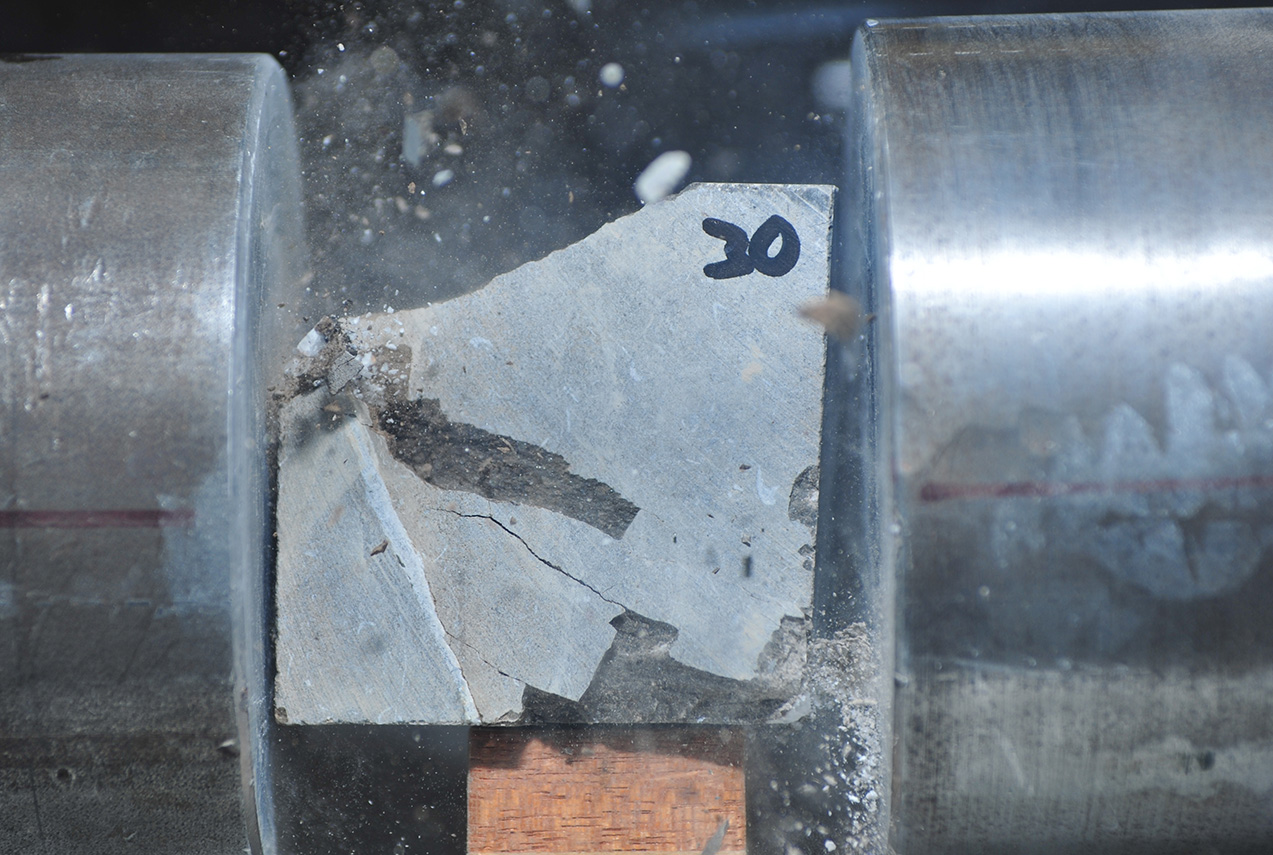
Science facilities
BGS operates and maintains a wide range of state-of-the-art laboratories and other facilities, which underpin virtually all of our research.
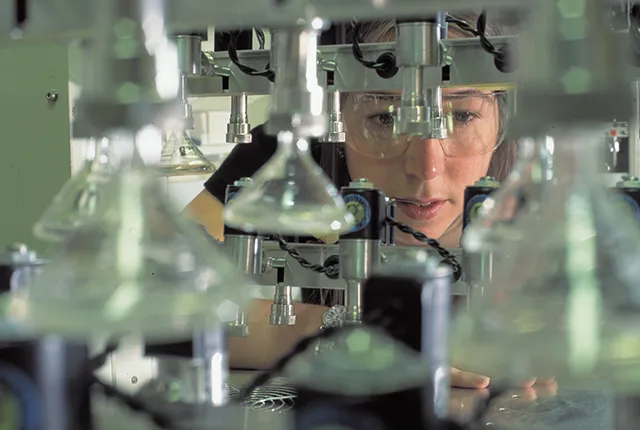
Environmental geochemistry laboratories
Specialist analysis of a wide range of environmental matrices.