

Geothermal energy
BGS Research
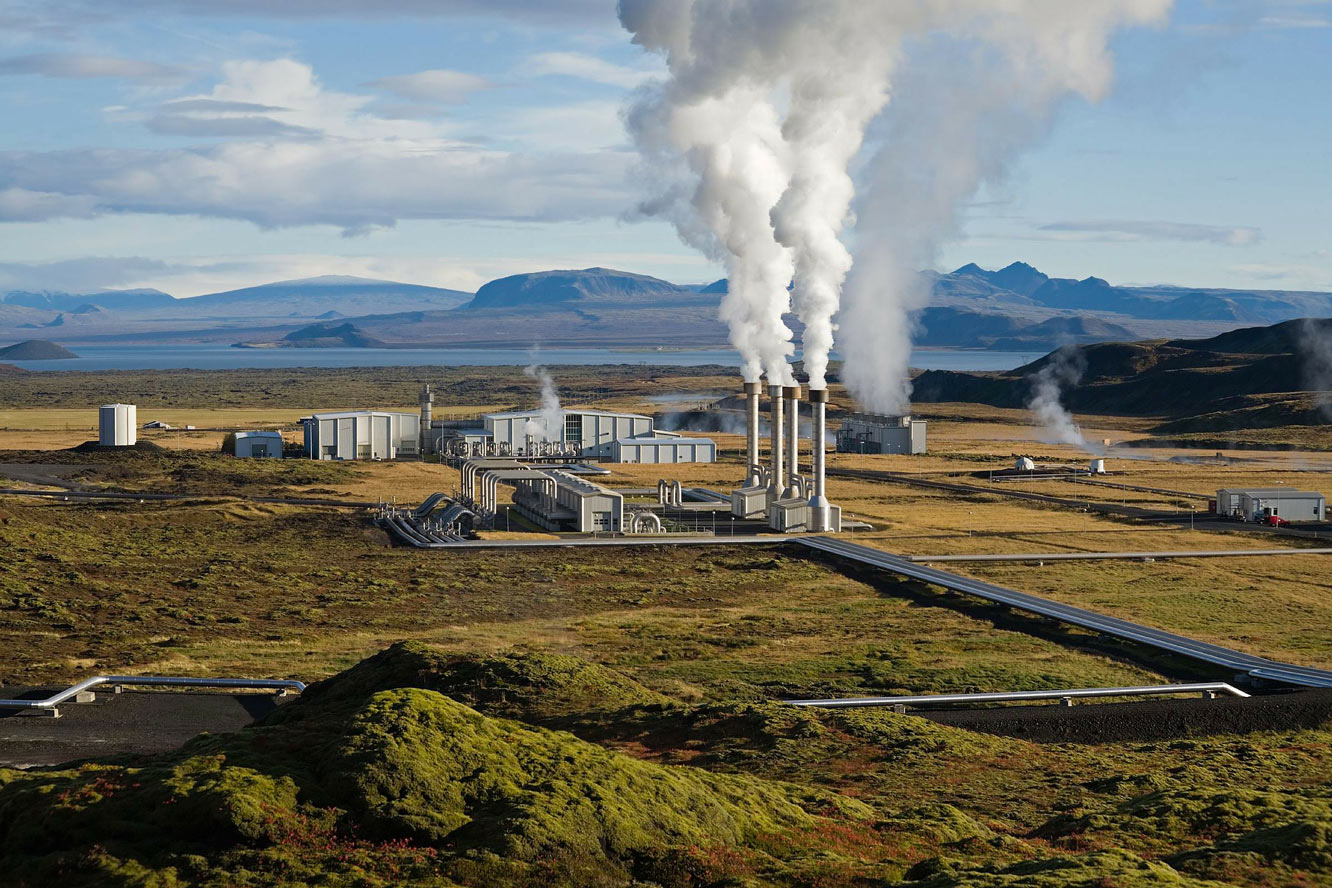
What is geothermal energy?
Geothermal energy is all energy stored in the form of heat beneath the surface of the solid earth. It is a reliable and constant source of low-carbon, renewable heat that is not dependent on weather conditions. It is available across the UK at depths from a few metres to several kilometres from where it can be extracted using different technologies.
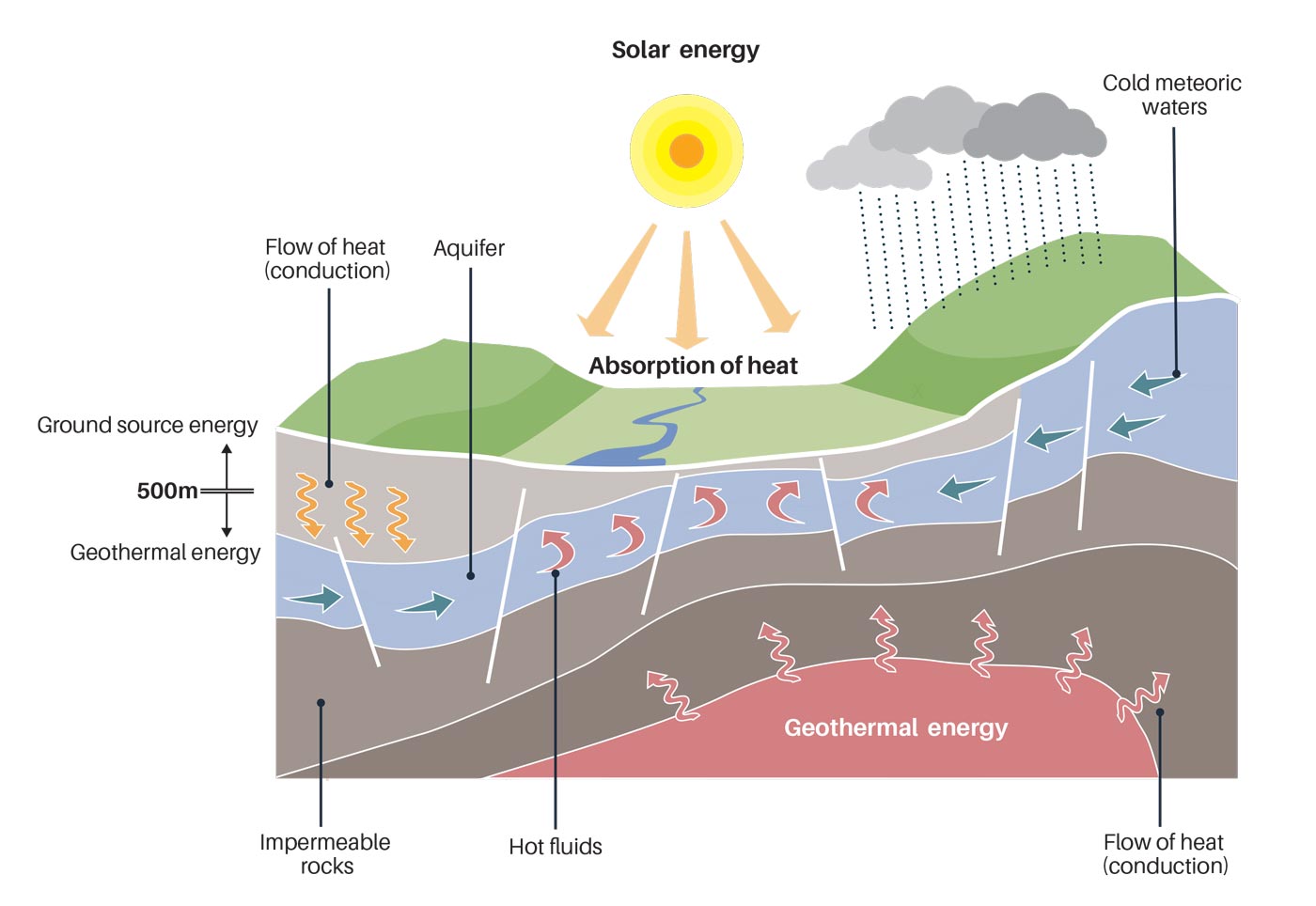

Factors affecting the flow of heat in the UK crust. BGS © UKRI.
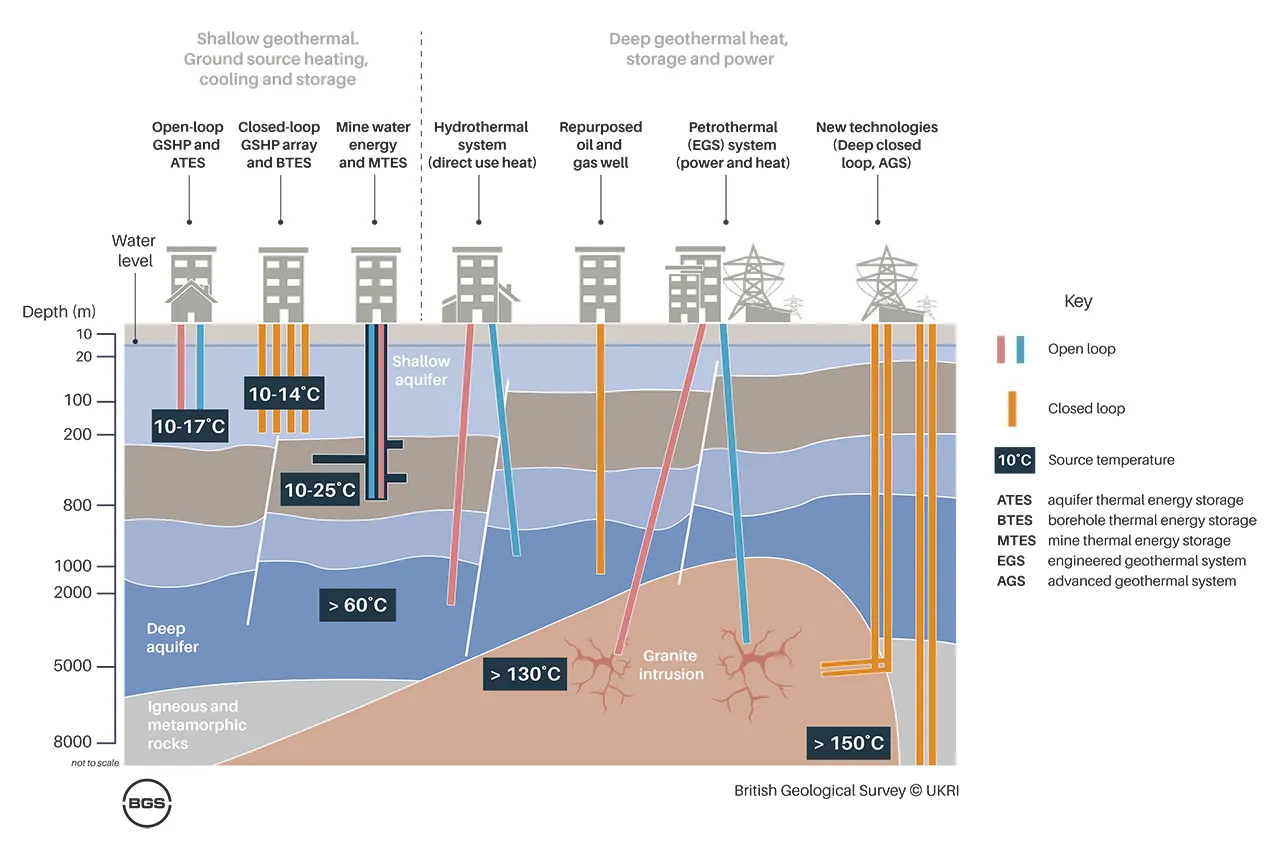
Schematic image of geothermal technologies (heat, cool and underground thermal storage BGS©UKRI
Geothermal for energy decarbonisation
Heating makes around a third of the total energy consumption of the UK (according to last data from 2021). With more than 80 per cent of domestic heating still delivered by gas boilers, it is responsible for almost 17 per cent of the UK’s carbon emissions. Carbon emissions need to be drastically reduced to enable the UK to meet its net zero targets by 2050 (and 2045 in Scotland). This will require a rapid transition from fossil fuels to low-carbon energies. Geothermal energy presents an important option for the decarbonisation of heat and power and it could make a significant contribution to reaching net zero targets in the UK, for example through providing low-carbon space heating.
Geothermal energy is a local source of energy that is always available (independently of the weather unlike wind or solar). It has a very low spatial footprint and is scalable, meaning that it can be used for heating individual homes but also as a source for district heating. Geothermal energy is also a key asset for the energy security and independence from gas imports. However, the UK currently uses only a small fraction of its geothermal heat resources, and there is considerable potential to increase its contribution in the energy mix.
Use of the underground for integrated heating and cooling and thermal storage is becoming increasingly important.
BGS research datasets and services
We work across UK geology and geothermal technologies from metres to kilometres depth, on:
- research projects
- provision of geothermal datasets and mapping, products, tools and information
- provision of information and expertise to inform the development of policy and regulation in the UK
- specialist geological services, such as GeoReports
In line with the 2023 to 2028 BGS Strategy, a current priority area is provision of national geothermal datasets, mapping and products. This includes legacy data as well as new data collection and resource mapping.
We work with government, academia and industry to improve the characterisation of the subsurface, assess the available geothermal resources and to generate the geoscientific knowledge necessary for its sustainable use. Our team contributes to multiple projects ranging from the characterisation of resource potential to the monitoring and modelling of the changes related to geothermal exploitation.
Recent publications and datasets on geothermal resource potential in the UK include:
- the UK Geothermal Platform
- the deep geothermal White Paper and more detailed evidence report
- the first digital release of the legacy geothermal catalogue of temperature, thermal conductivity and heat flow
In addition, research and innovation infrastructures such as the UK Geoenergy Observatories enable at-scale investigation to improve our understanding of how geothermal energy can contribute to reducing our carbon emissions.
Find out more about our research
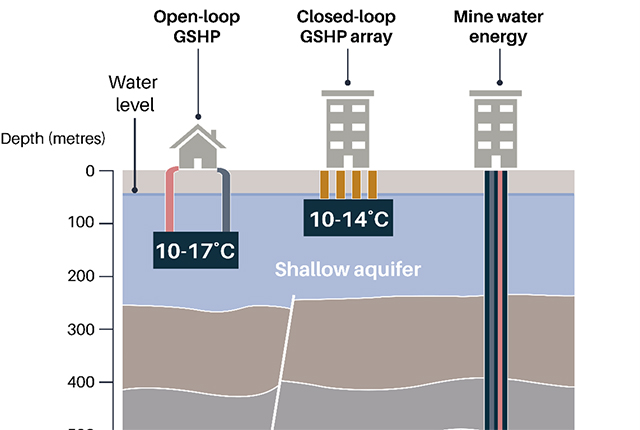
Geothermal technologies
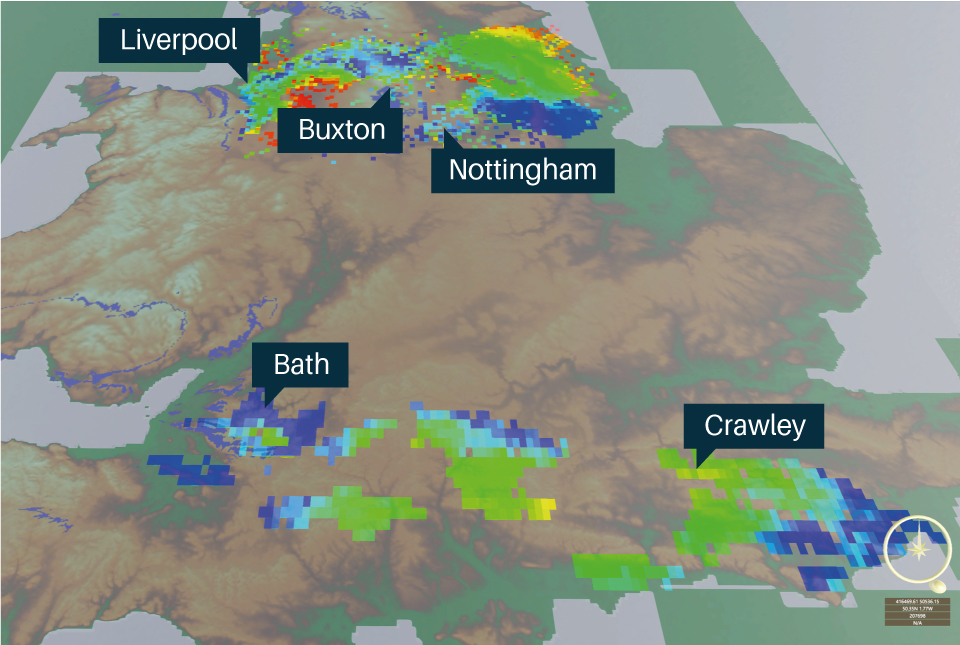
Geothermal energy is available across the UK in different geological settings. It can be used to produce thermal (and in some places electrical) energy for a wide range of uses.
Applications
Geothermal energy resources occur in a broad range of geological settings. The BGS Geothermal team has experience in assessing and characterising shallow and deep geothermal resources.
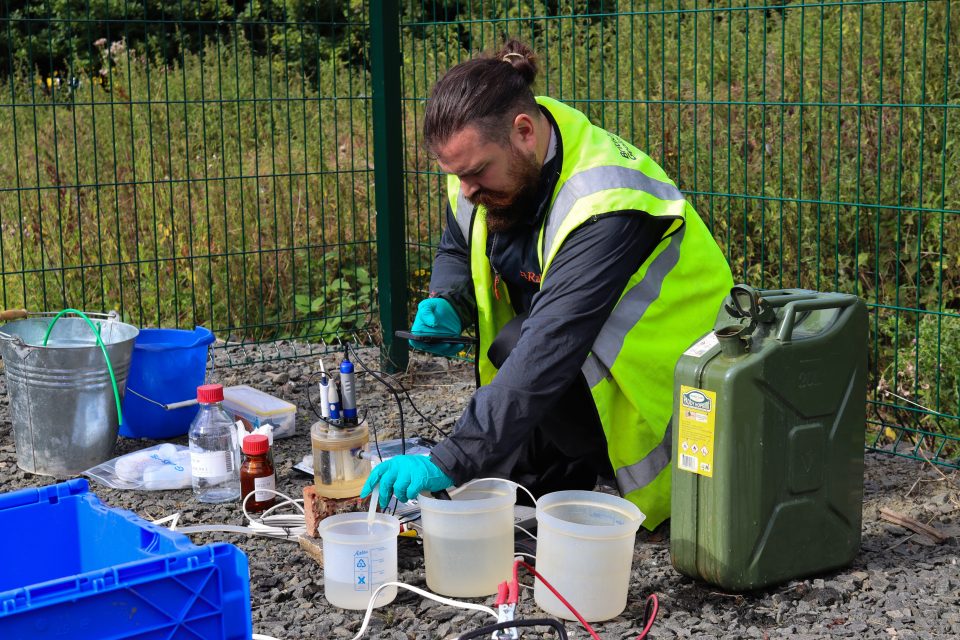
Our projects
UK Geoenergy Observatories
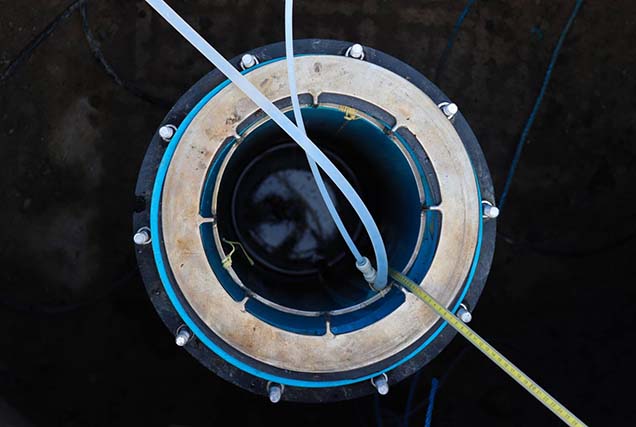
Facilitating a step change in our understanding of geology and our relationship with the underground environment.
Related news
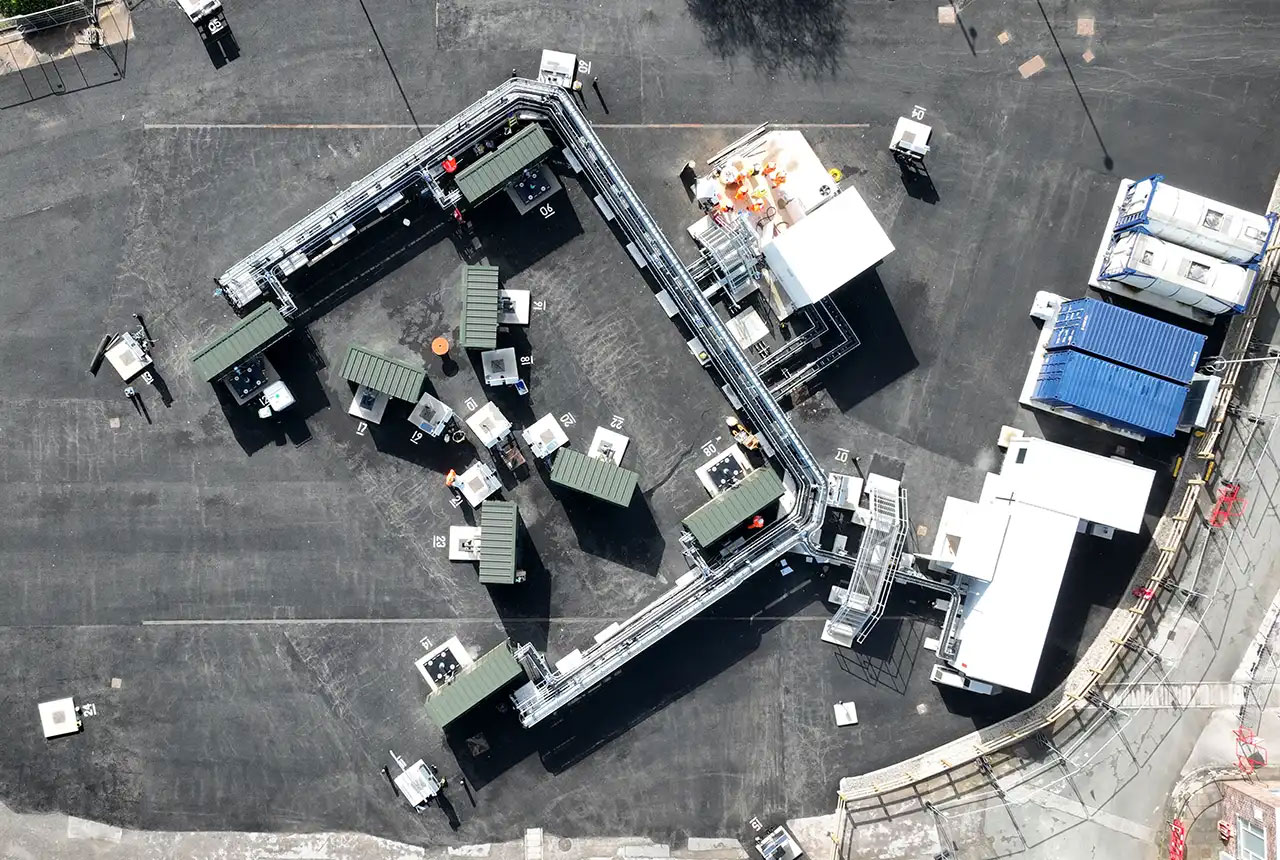
First distributed acoustic sensing survey completed at UK Geoenergy Observatory
12/11/2025
New research at the Cheshire Observatory has shown the potential for mapping thermal changes in the subsurface using sound waves.

World Cities Day: the geological story of our cities
31/10/2025
Understanding the rocks that underlie our towns and cities, the risks they can present and how they influence urban planning and redevelopment.

New geological ‘pathways’ discovered beneath Welsh capital
02/09/2025
Scientists have discovered cavities in the clay underneath Cardiff, which will influence the siting of future geothermal developments.
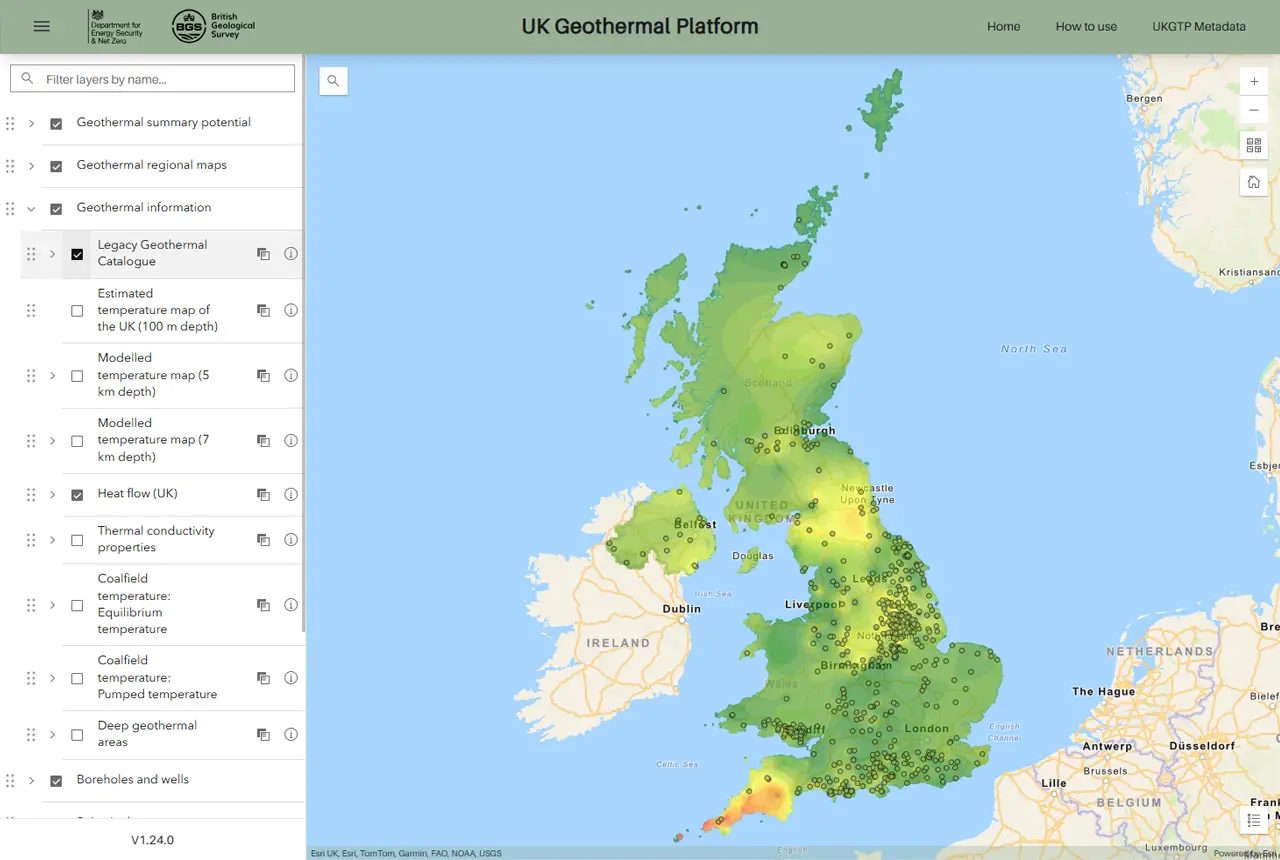
New platform highlights geothermal potential across the UK
11/08/2025
A new government-funded geothermal initiative, which includes an interactive map, has launched to help decision makers assess the geothermal potential across the UK.
Goldilocks zones: ‘geological super regions’ set to drive annual £40 billion investment in jobs and economic growth
10/06/2025
Eight UK regions identified as ‘just right’ in terms of geological conditions to drive the country’s net zero energy ambitions.
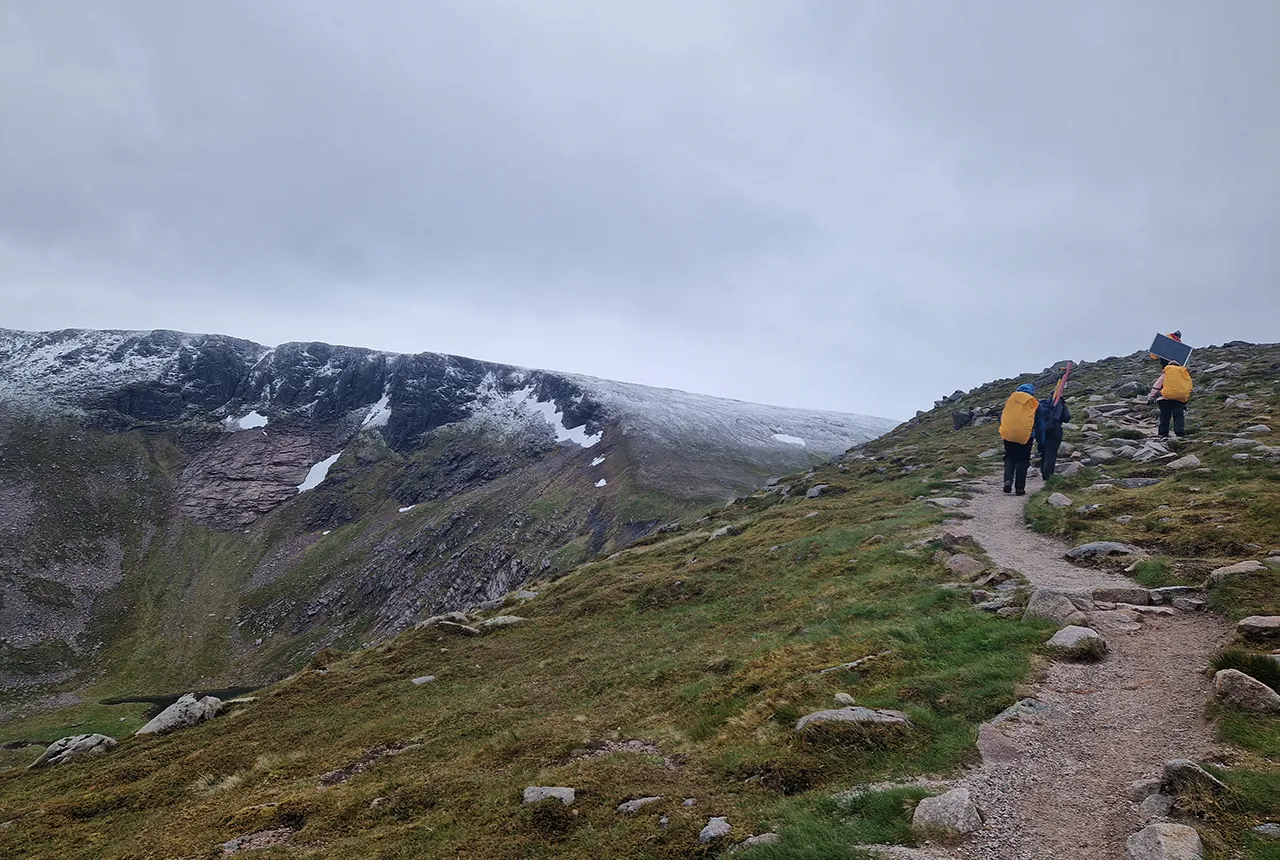
Exploring Scotland’s hidden energy potential with geology and geophysics: fieldwork in the Cairngorms
31/03/2025
BUFI student Innes Campbell discusses his research on Scotland’s radiothermal granites and how a fieldtrip with BGS helped further explore the subject.
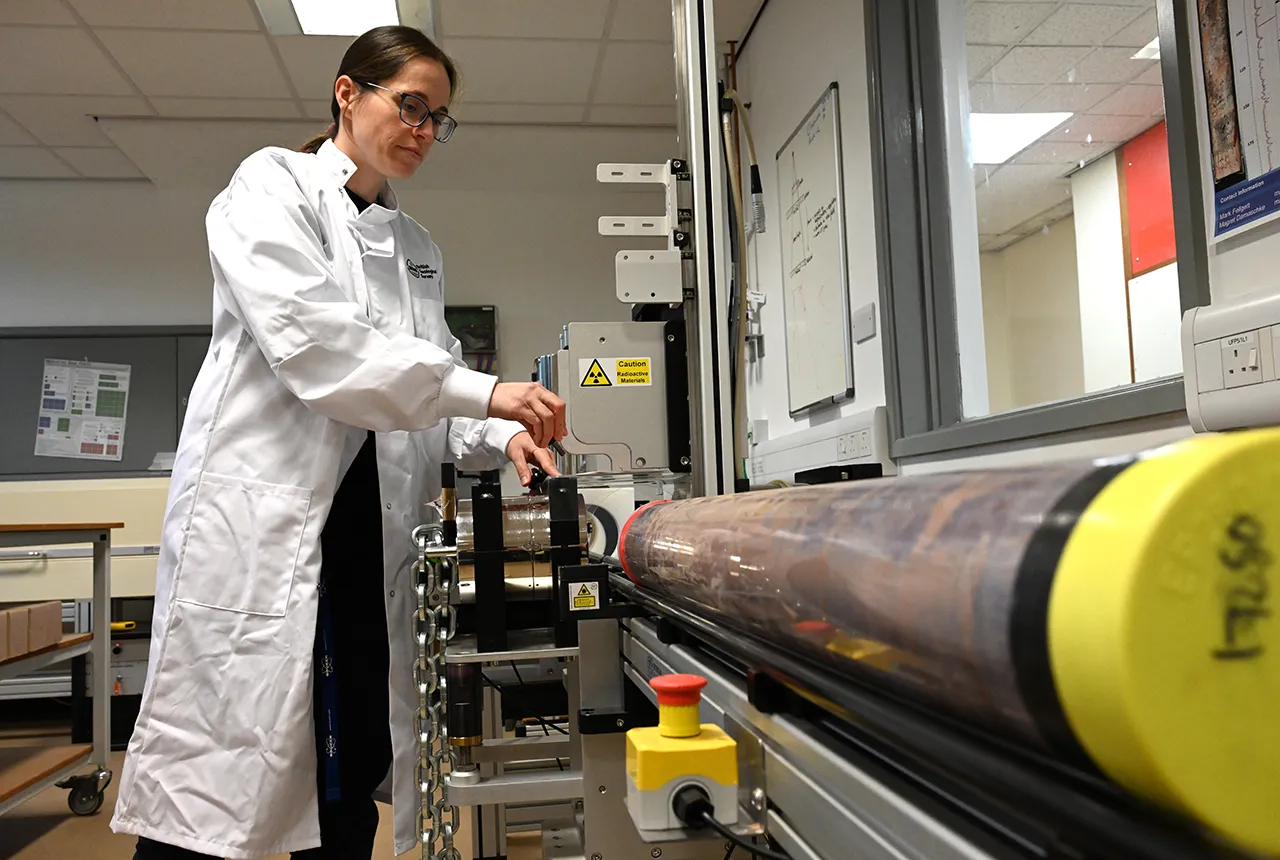
Prehistoric power: 250-million-year-old rocks could contain secrets to net zero future
05/12/2024
BGS has completed a comprehensive scan of Mercia Mudstone rocks that could hold geological secrets of the UK’s past and provide a boost for net zero.
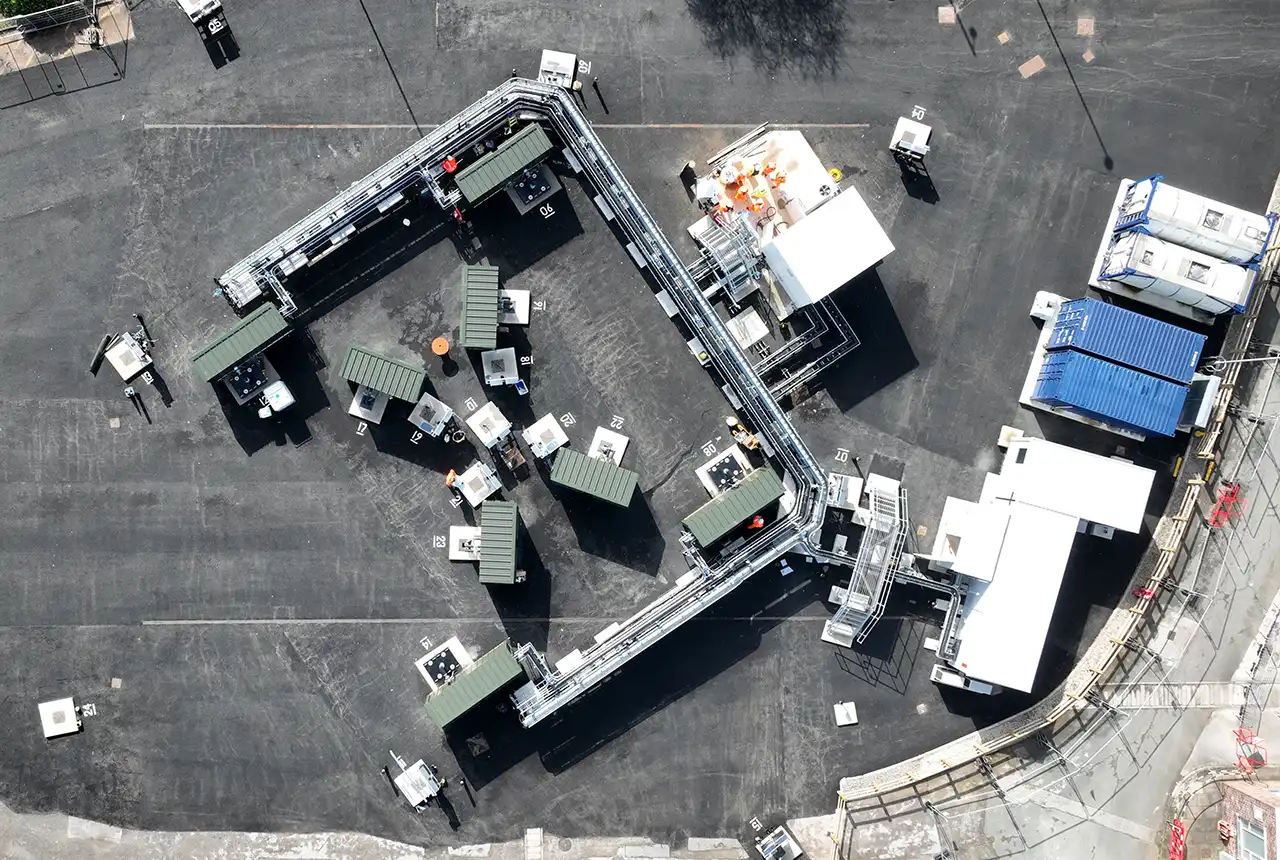
World-class facility creates new opportunities for geothermal energy in Cheshire
10/10/2024
The £8.3 million underground observatory will enhance the UK’s knowledge on the clean energy required to decarbonise heating.
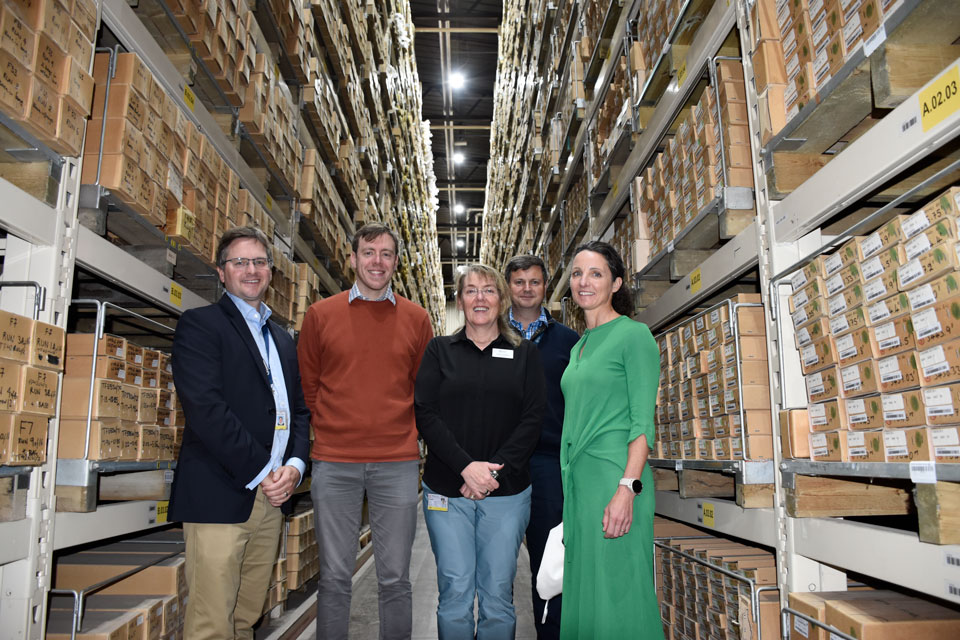
Local MP checks in on development of new geothermal ‘living laboratory’ in Nottinghamshire
19/09/2024
BGS has reached the halfway mark on its ambitious ground-source heat pump project at its headquarters in Keyworth, Nottinghamshire.
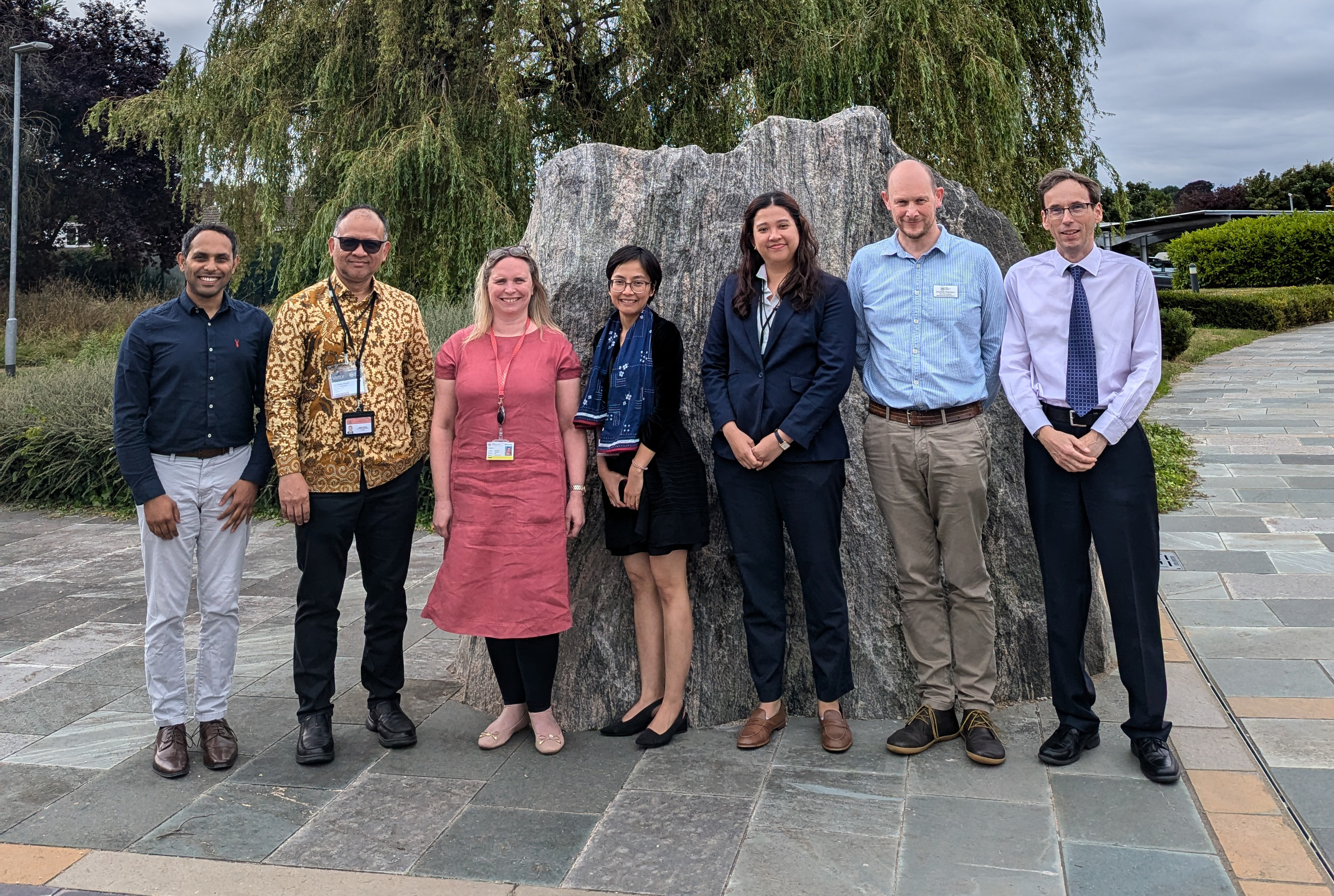
Visit by Indonesian Embassy representatives to BGS
27/08/2024
Strengthening BGS/Indonesia scientific research partnerships to address the complex challenges Indonesia faces from natural hazards and maximising opportunities from mineral resources and geothermal energy.
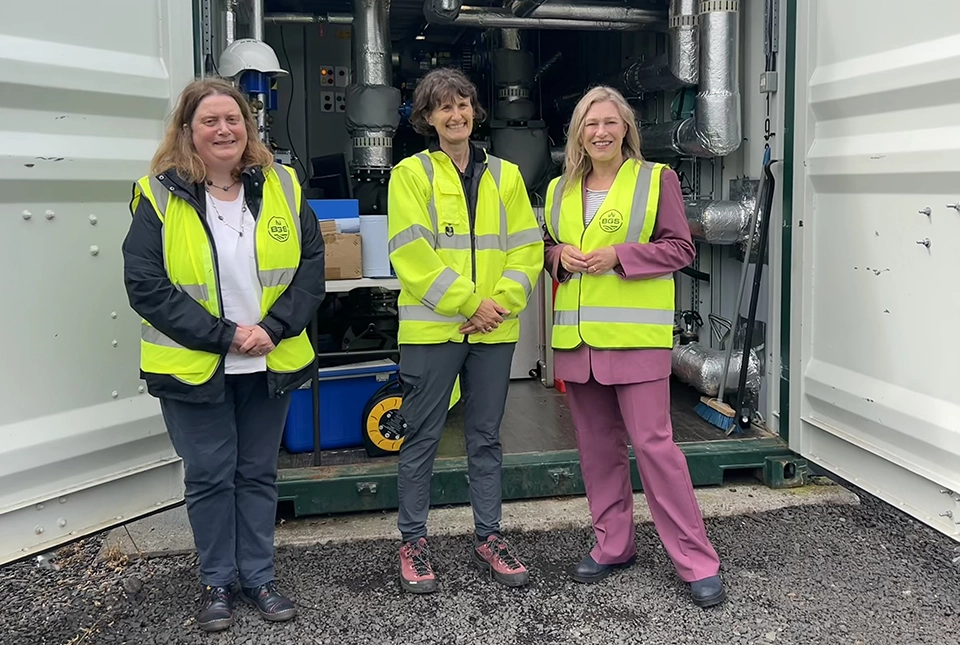
Unlocking our geothermal potential: a Scottish Government visit to the Glasgow Observatory
15/08/2024
Gillian Martin MSP visits the UK Geoenergy Observatory in Glasgow to learn about geothermal energy and see the research being carried out at the facility.
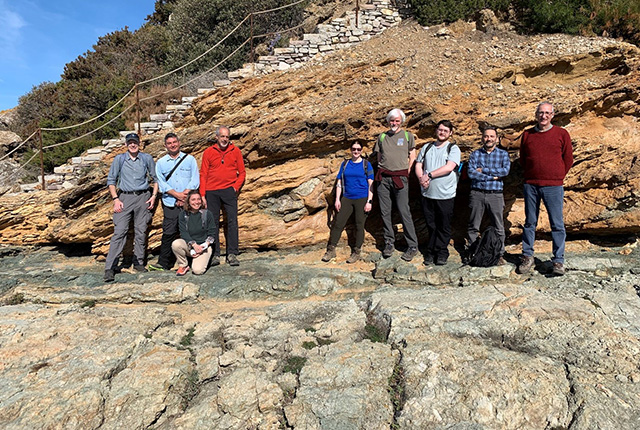
The heat beneath our feet: BGS field visit to Tuscan geothermal systems
05/07/2024
BGS visits the active and fossilised geothermal systems of southern Tuscany, Italy.
You may also be interested in
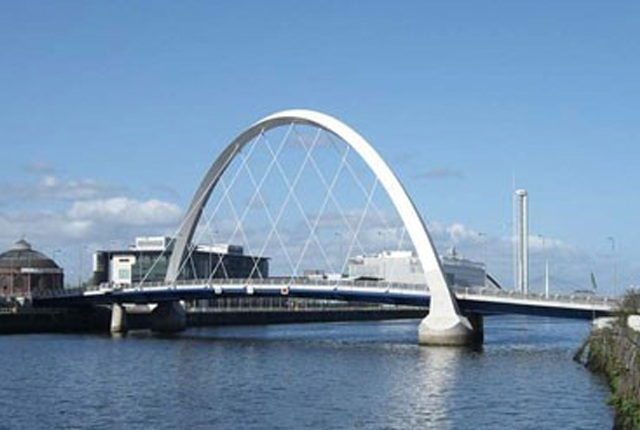
Glasgow and the Clyde Basin — Clyde Urban Super Project (CUSP)
Glasgow, Scotland’s largest city, is built along the upper Clyde estuary and lower River Clyde. Areas of central Glasgow form the national urban regeneration priority for Scotland over the next 25 years.