


Understanding our Earth
We are a world-leading independent research organisation providing objective, expert geoscientific data, information and knowledge.
Latest news and events

Electromagnetic geophysics in Japan: a conference experience
23/10/2024
Juliane Huebert took in the fascinating sights of Beppu, Japan, while at a geophysics conference that uses electromagnetic fields to look deep into the Earth and beyond.
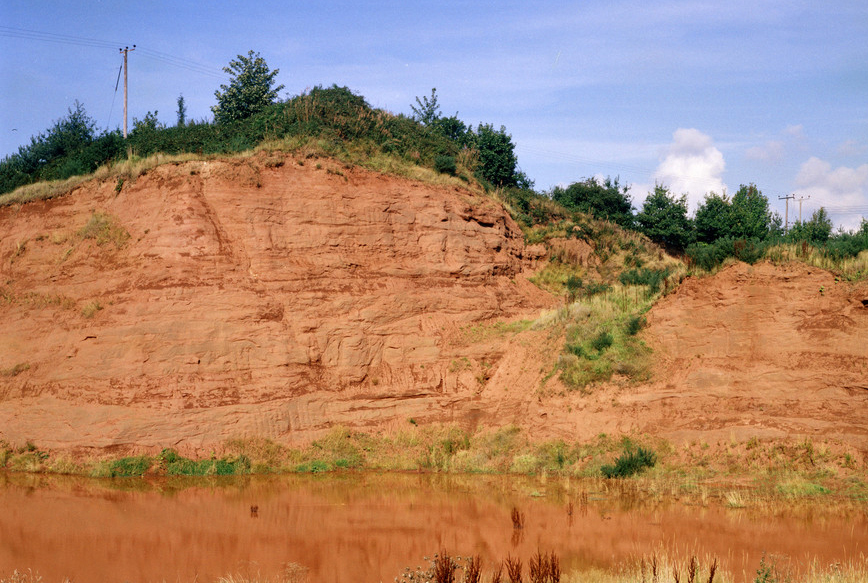
Next stage of funding awarded for project on hydrogen storage potential in the East Midlands
17/10/2024
BGS will conduct essential studies on hydrogen behaviour in the subsurface to predict, measure and monitor underground hydrogen storage.
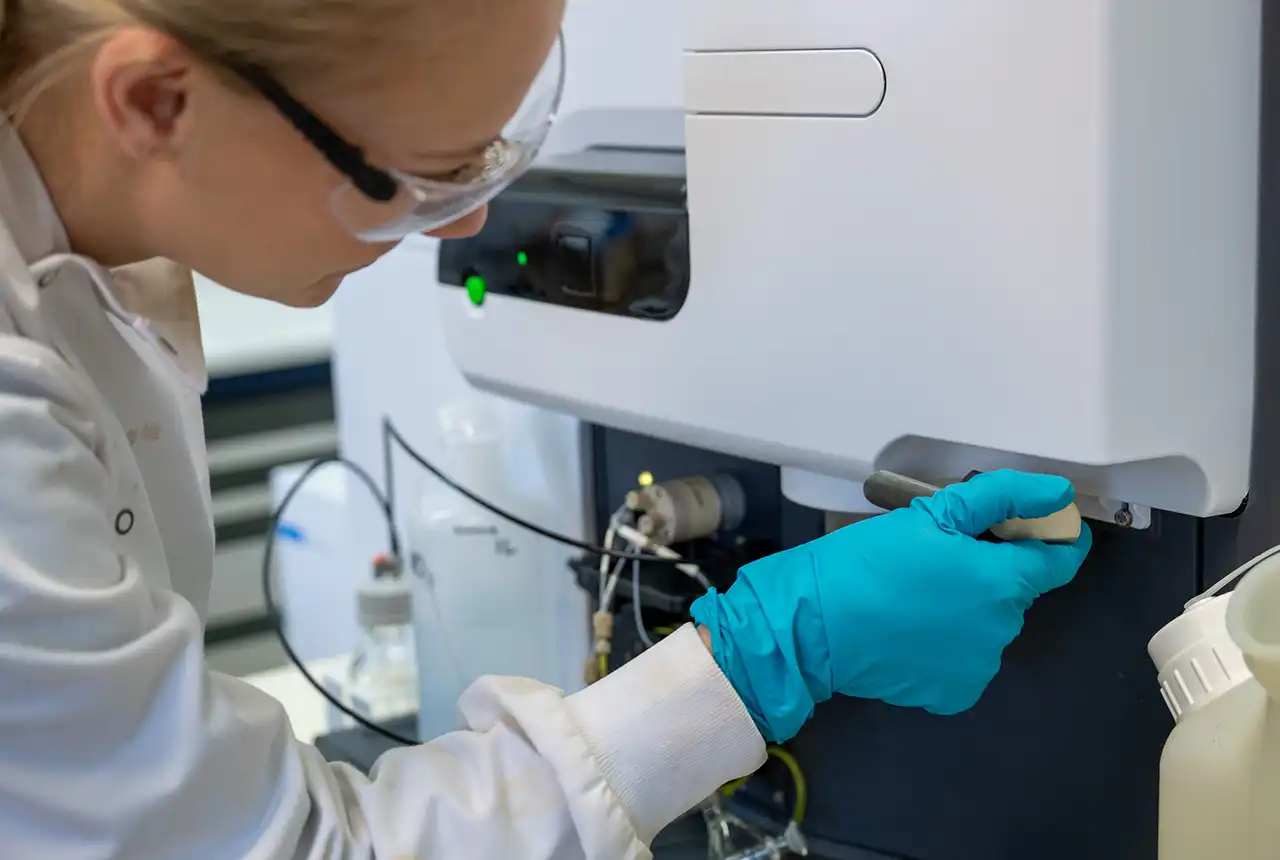
BGS chemists involved in new project developing early detection test for bladder cancer
15/10/2024
BGS is combining its expertise with researchers from Queen’s University Belfast, the University of Dhaka and the International Agency for Research on Cancer to further develop a urine-based early detection test.
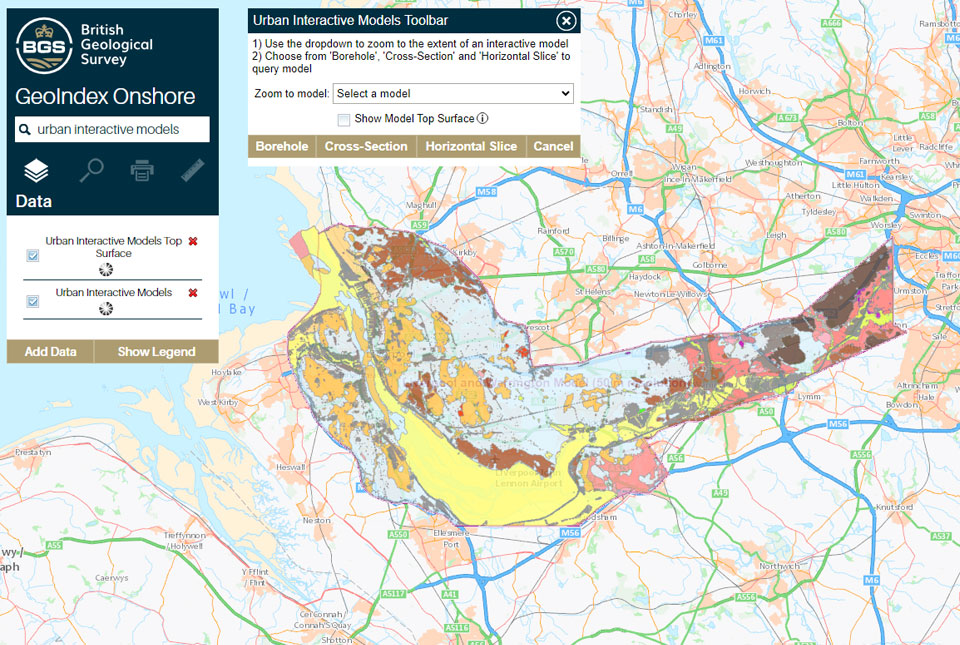
What lies beneath Liverpool?
11/10/2024
The geological secrets lying under the surface of Liverpool and Warrington have been unveiled for the first time on a new 3D interactive tool.

World-class facility creates new opportunities for geothermal energy in Cheshire
10/10/2024
The £8.3 million underground observatory will enhance the UK’s knowledge on the clean energy required to decarbonise heating.
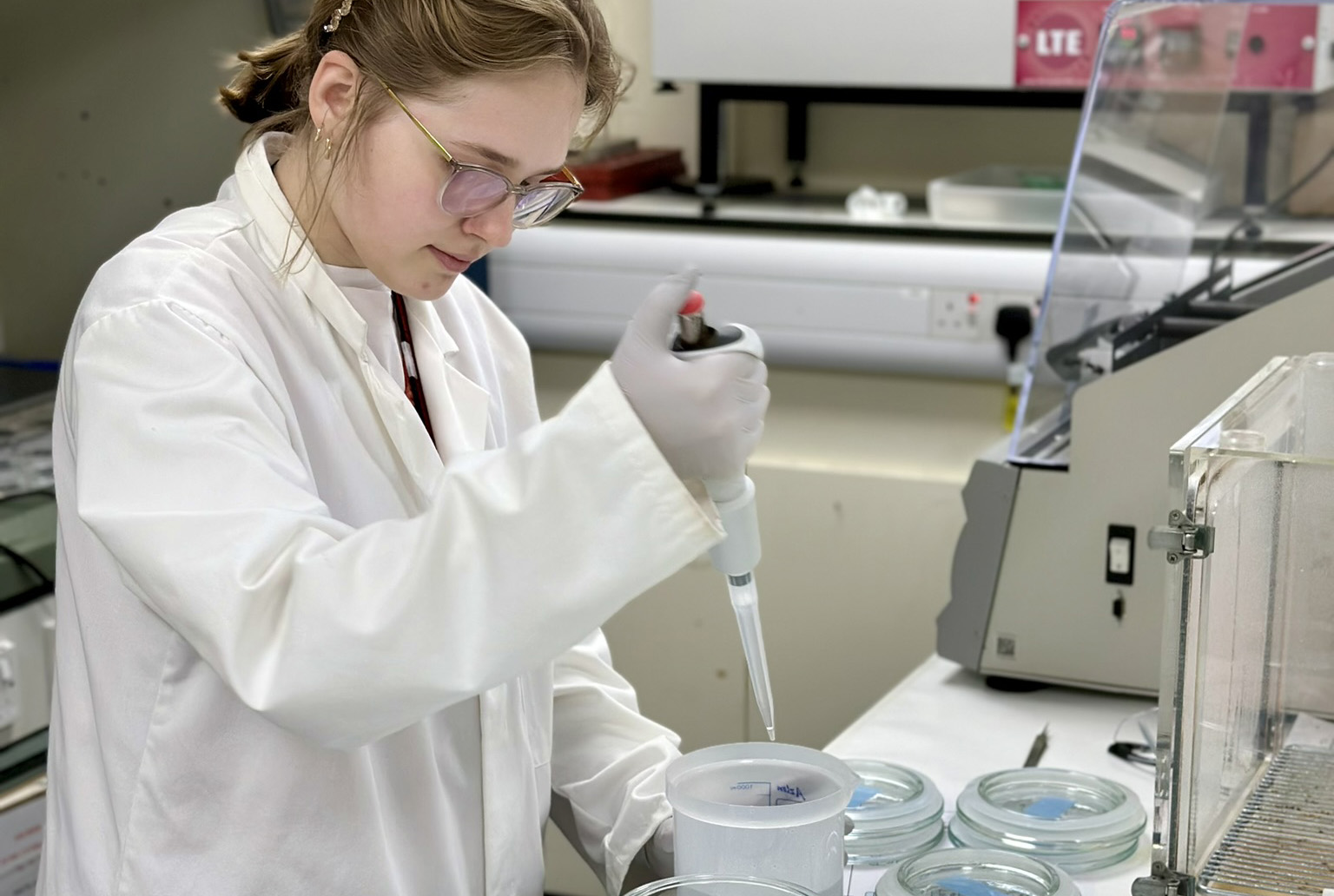
Exploring the role of stable isotope geochemistry in nuclear forensics
09/10/2024
Paulina Baranowska introduces her PhD research investigating the use of oxygen isotopes as a nuclear forensic signature.
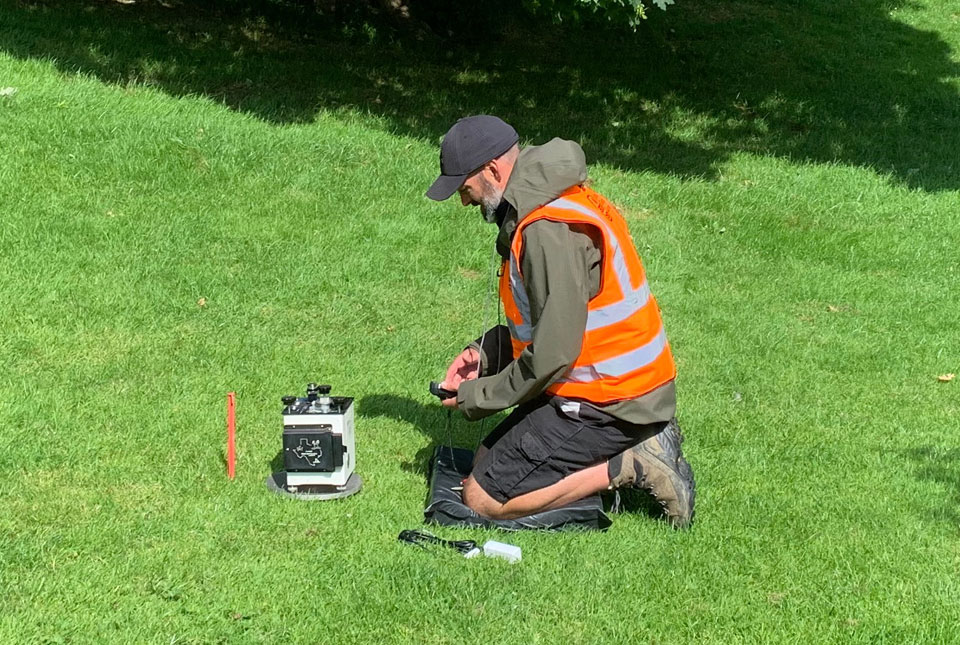
New research hub announced as part of £160 million investment
08/10/2024
Focusing on quantum sensing, imaging and timing, the hub will be launched at the end of this year as part of an investment announced by the Science Secretary.
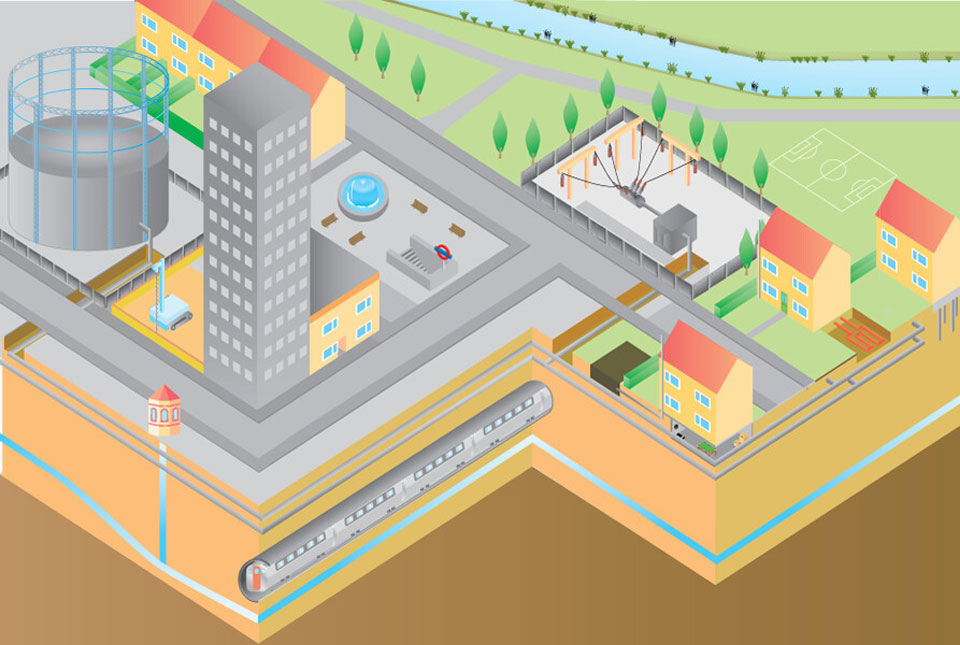
New community launched to support effective management of the subsurface
03/10/2024
The initiative aims to increase knowledge exchange on subsurface issues between interested parties involved in subsurface policy and planning.
BGS collaborates with Icelandic colleagues to assess windfarm suitability
03/10/2024
Iceland’s offshore geology, geomorphology and climate present all the elements required for renewable energy resources.
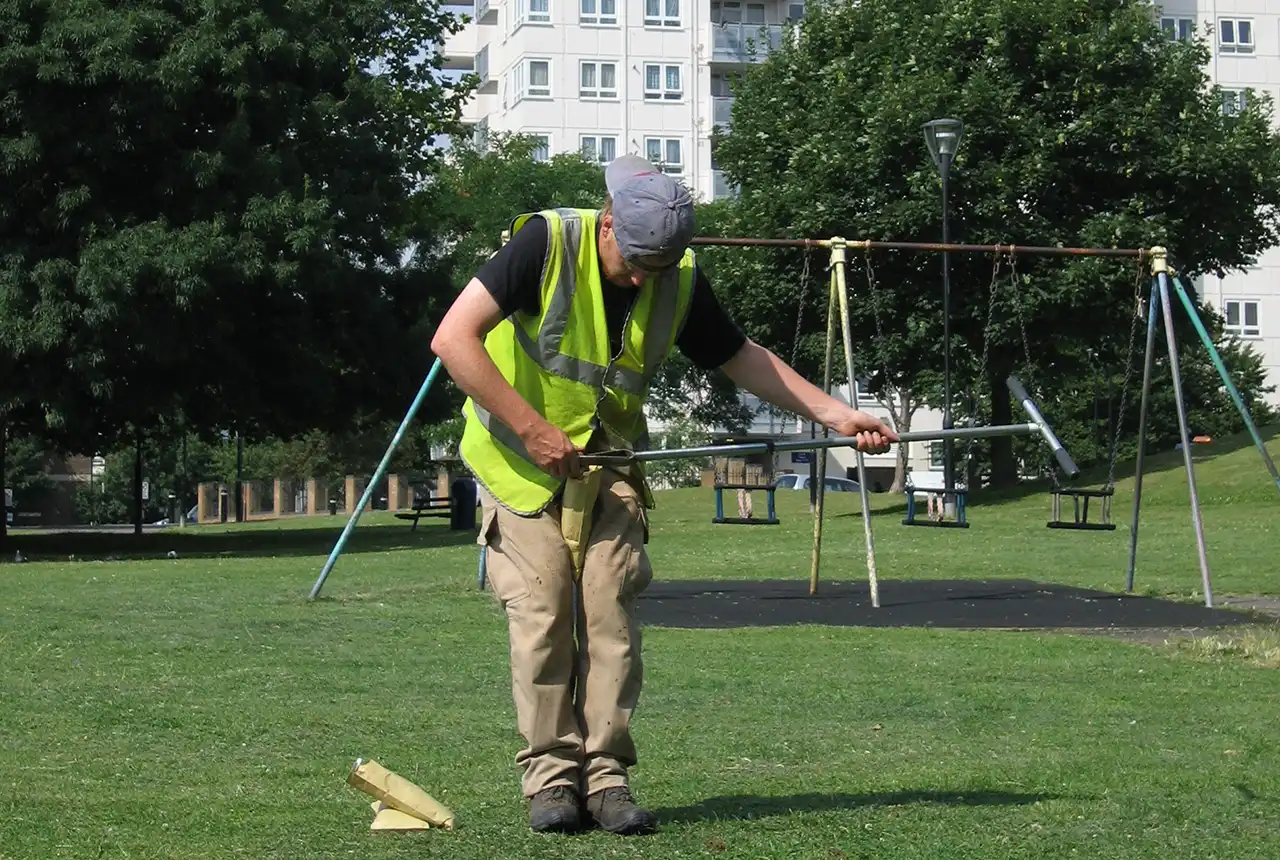
Forty years and counting: new topsoil data provides most extensive snapshot of environmental pollution effects
01/10/2024
Scientists have uncovered clear signs of the impact environmental pollution is having across the country’s soil.
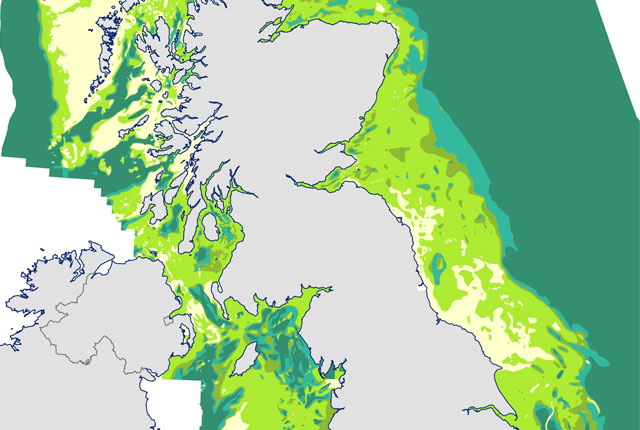
Seabed geology data: stakeholder consultation
25/09/2024
BGS is seeking stakeholder feedback as part of a new Crown Estate-led initiative to improve understanding of national-scale seabed geology requirements
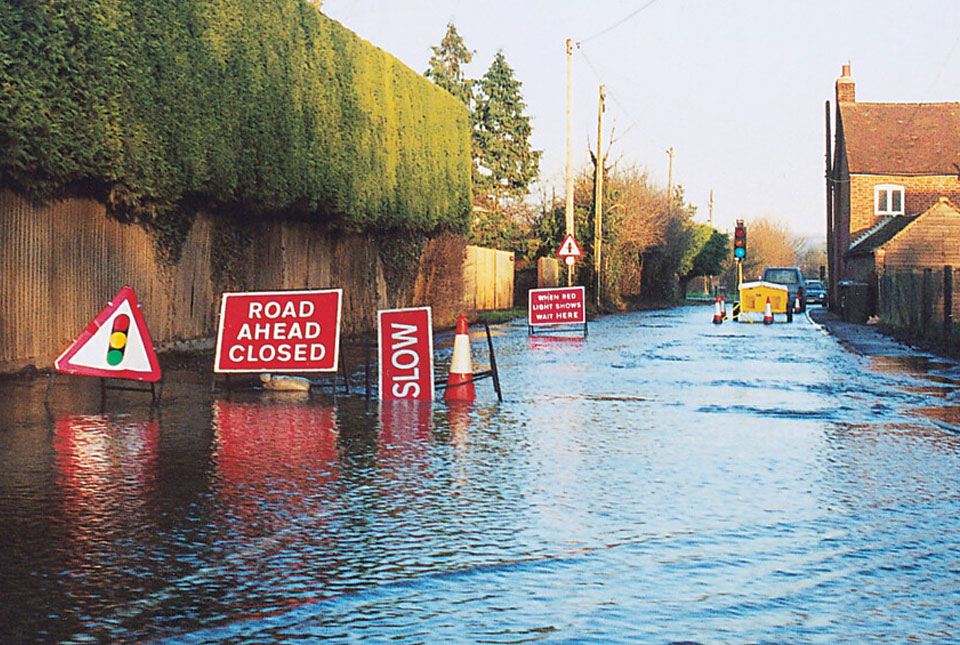
BGS Groundwater Flooding Susceptibility: helping mitigate one of the UK’s most costly hazards
25/09/2024
Groundwater flooding accounts for an estimated £530 million in damages per year; geoscientific data can help to minimise its impact.
Our core challenge areas
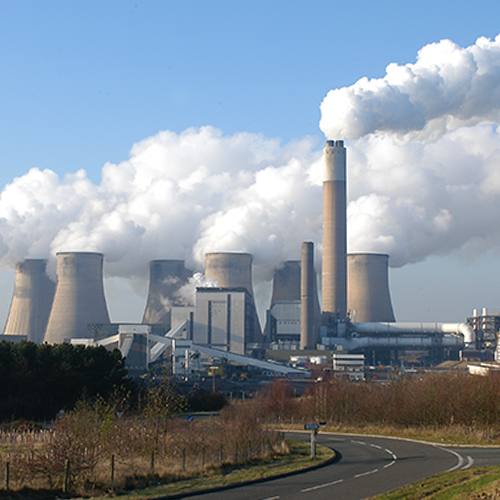

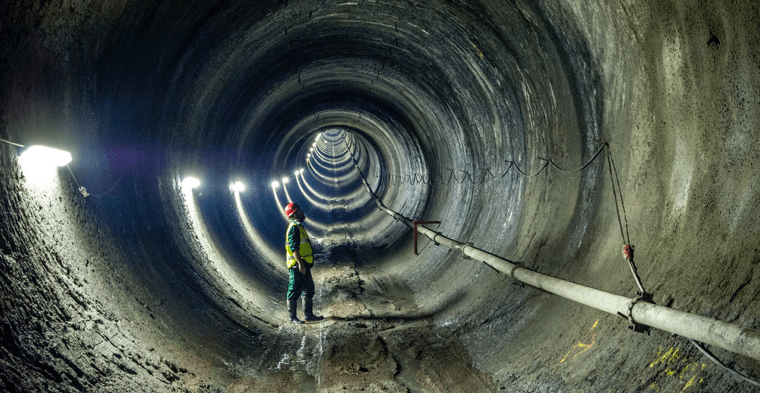
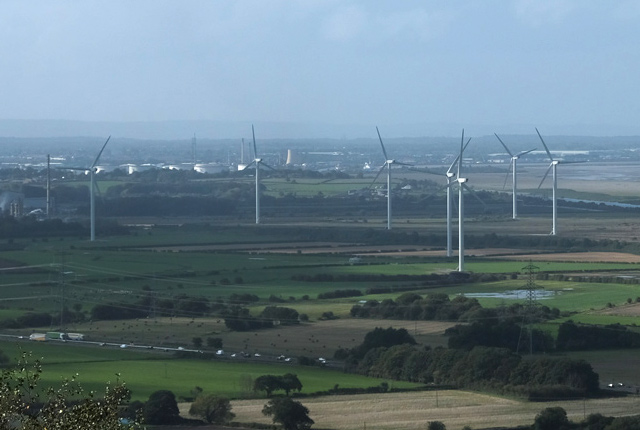
Decarbonisation and resource management
Decarbonisation of power production, heat, transport and industry is a major challenge and one that intrinsically involves geoscience.

Multi-hazards and resilience
We work with partners worldwide to enhance understanding of hazards, vulnerability, exposure and risk to ensure our science is useful, usable and used.

International geoscience
BGS is active across the globe delivering institutional strengthening programmes and applied research projects across a wide variety of sectors.
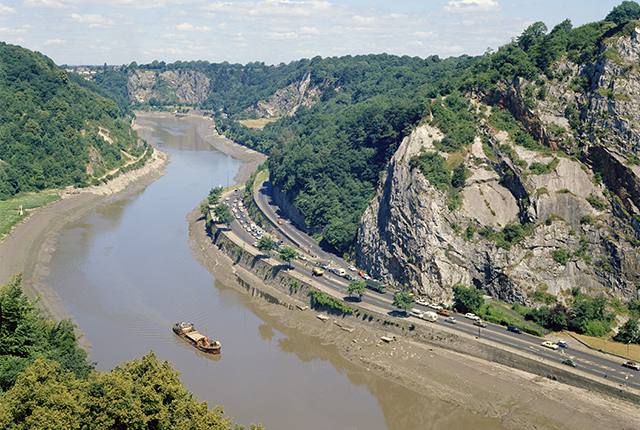
National geoscience
The National Geoscience programme is a forward-looking investment in UK geology that provides relevant, coherent and enriched geoscience knowledge for our stakeholders.
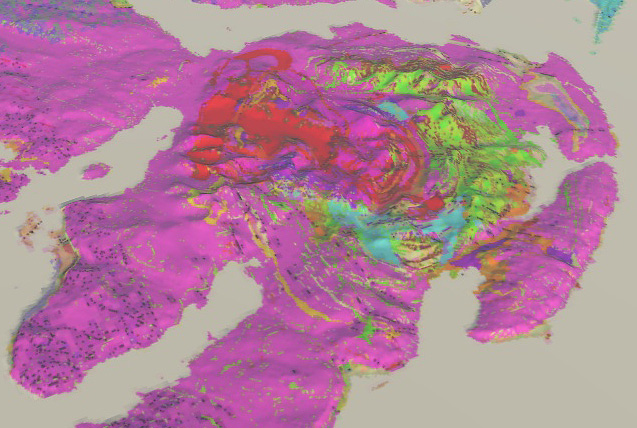
Digital geoscience
The BGS is a data-rich organisation. Our data science and data infrastructure are fundamental to our future research and underpin our strategic challenges.
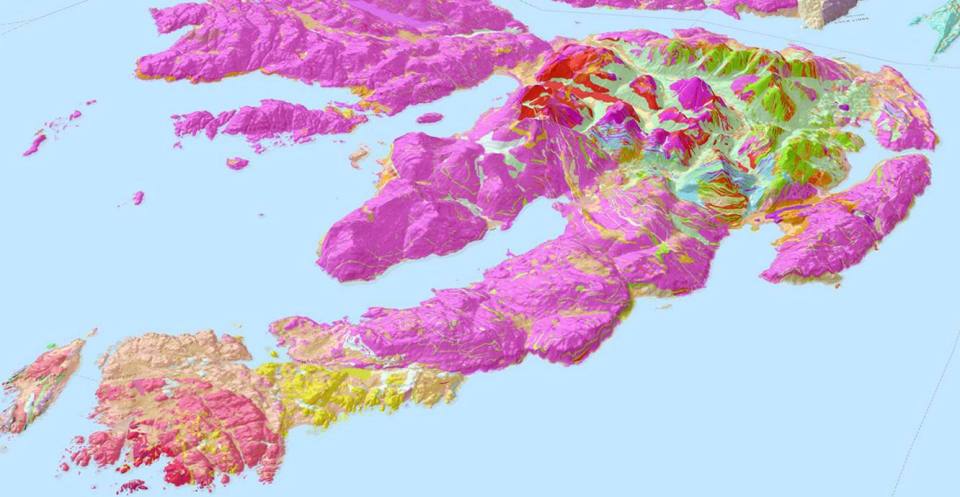
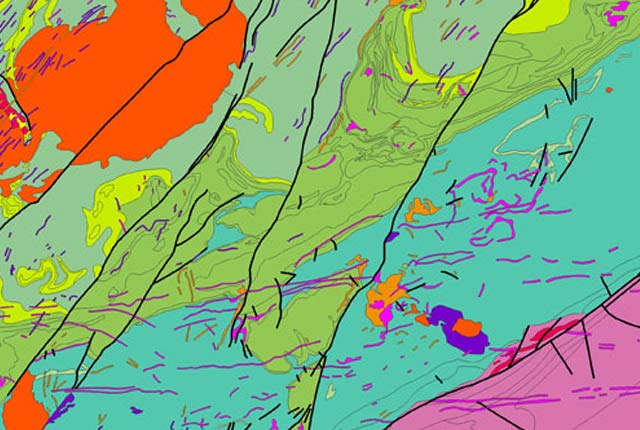
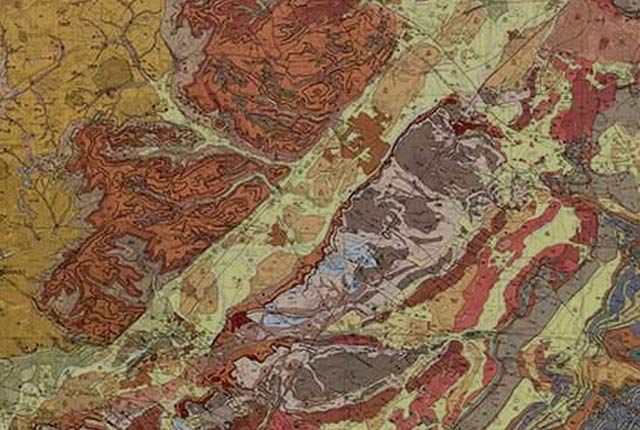
Map viewers
Data published through map viewers allowing you to reveal more about the ground beneath your feet.
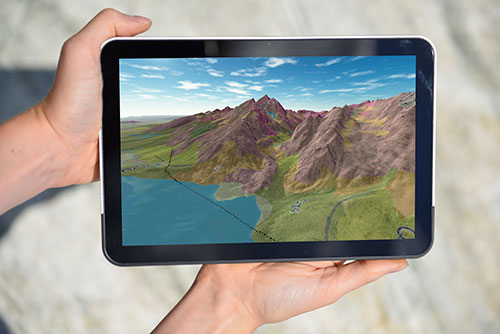
Technologies
Applications, software and online services created by the BGS and our collaborators.
Information hub
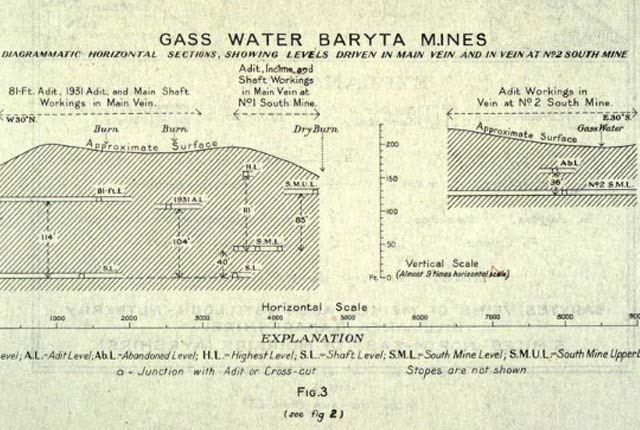
Data collections, publications, scanned records and other data gathered by BGS and provided by external organisations.
OpenGeoscience
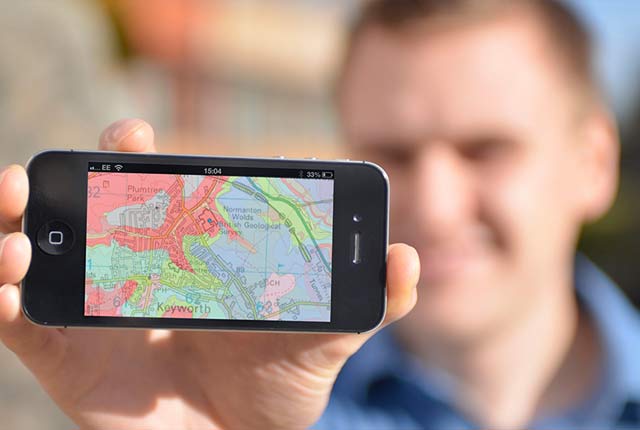
Accessing maps and downloading data, scans, photos and other information via BGS’s free OpenGeoscience service.
Digital geoscience
The BGS is a data-rich organisation. Our data science and data infrastructure are fundamental to our future research and underpin our strategic challenges.
Digital data licensing and resellers
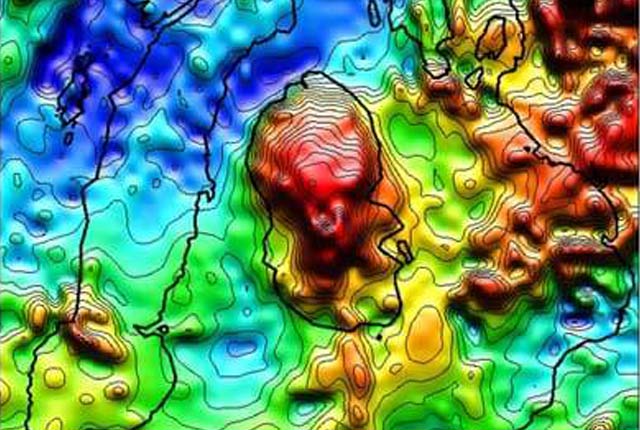
Providing a wide range of licences for the use and utilisation of our information products by for those interested in an information product and the Open Government Licence is not applicable.

National Geoscience Data Centre
Collecting and preserving geoscientific data, making it available to a wide range of users and communities.
National Geological Repository
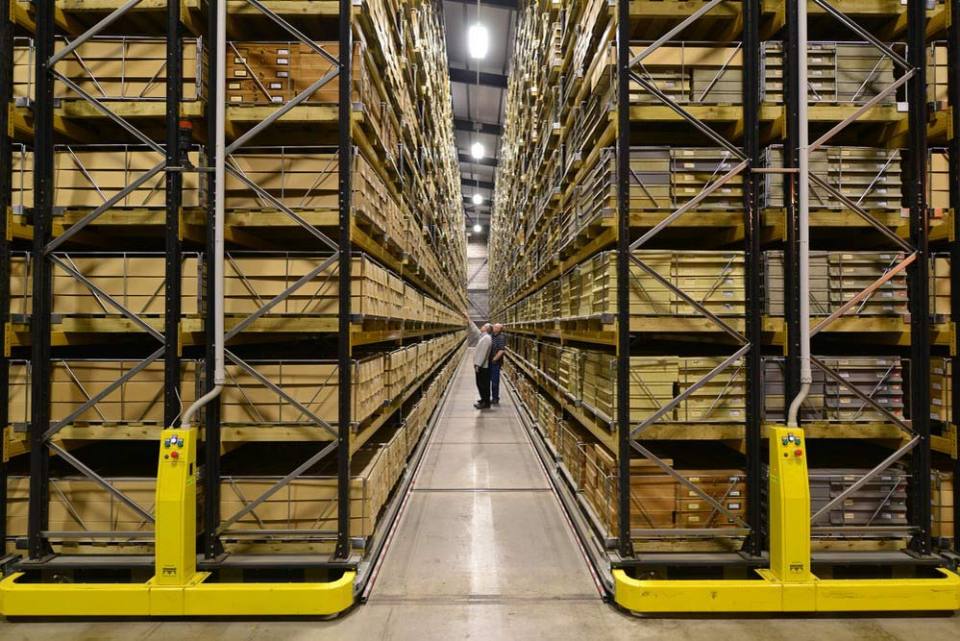
Hosting BGS’s collections of borehole cores, cuttings, samples, specimens, and related subsurface information from the UK landmass and continental shelf.
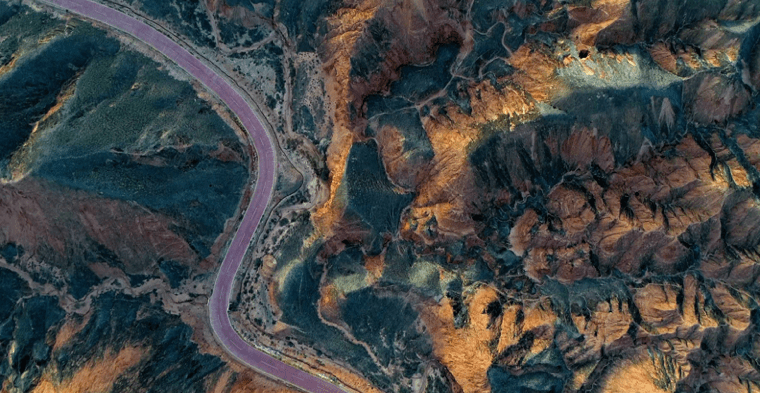
Discovering Geology
Discovering Geology introduces a range of geoscience topics to school-age students and learners of all ages. Explore these pages to discover the fascinating processes and properties that shape our dynamic planet.
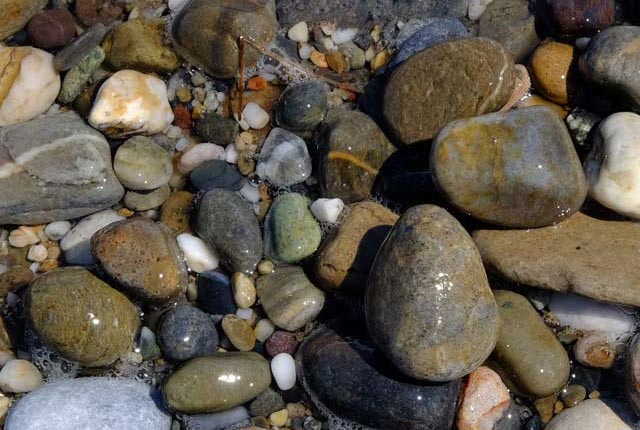
Rocks and minerals
Find out more about the differences between rocks and minerals and how they are formed.

Discovering Geology: climate change
What is the difference between weather and climate? what causes the Earth’s climate to change and what are the impacts? Find out more with our Discovery Geology climate change resources.
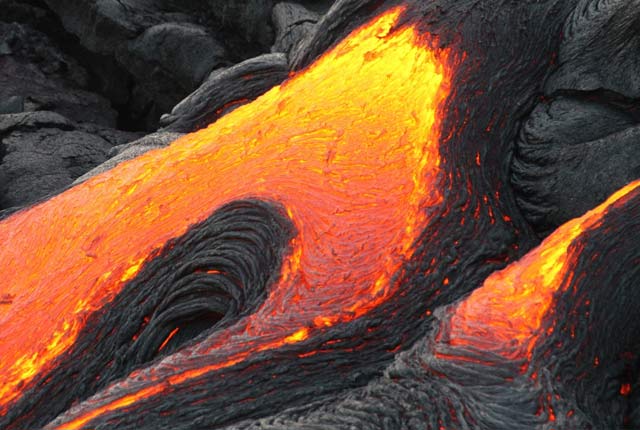
Earth hazards
The Earth beneath our feet is constantly shifting and moving, and violently with catastrophic and immediate results. Find out more about earth hazards.
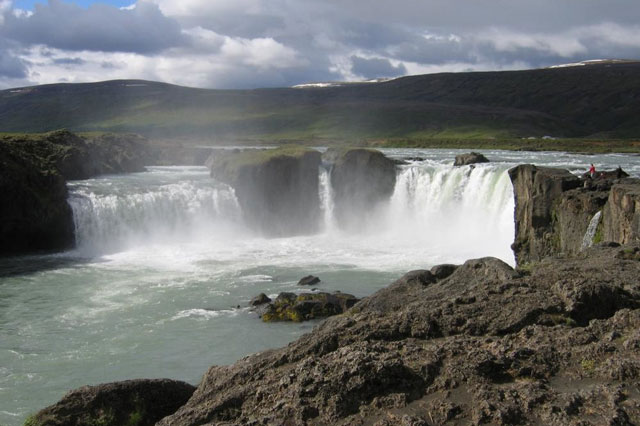
Geological processes
Planet Earth is dynamic with a surface that is always changing. Find out about the processes that cause these changes.
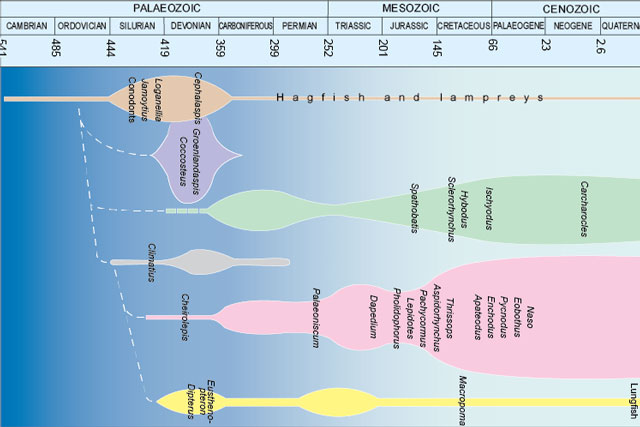
Fossils and geological time
Take a look at the history of the Earth, from its formation over four and a half billion years ago to present times.
About BGS
As the national geological survey, we are the UK’s premier provider of objective and authoritative scientific data, information and knowledge to help society understand our Earth.
Our data and services
The BGS offers a range of services and information for businesses, home-owners, policymakers and the general public.

Working with us
BGS is committed to being an employer of choice and strives to embrace a culture of inclusivity and flexibility.
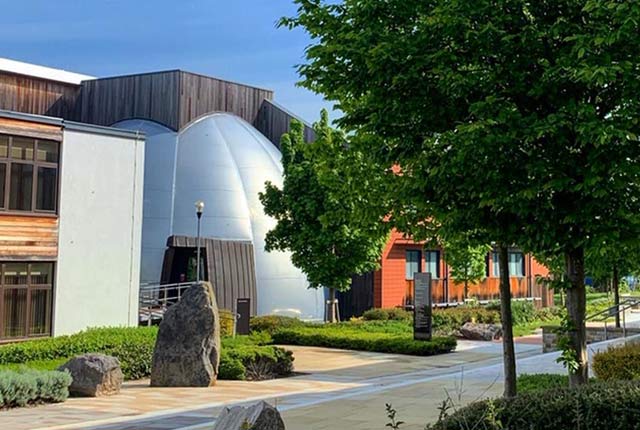
Offices and locations
Find out more about our offices and facilities located across the UK.

Contact us
Find out more about the BGS and the services we offer through our enquiries and customer services team.